
"I kept telling myself I'd get to it. The generator. The grab bars. All of it. Then the storm hit and the power went out for nine days and I realized — this is what not getting to it looks like."
— Barbara, retired librarian, Pensacola FL. Read her full story →A note on this story: “Barbara” is a composite character. Her story is built from the common, real experiences of many Florida residents during long power outages — but she is not one specific person, and it is not a customer testimonial. Individual results vary.
What to Buy Right Now — While You Still Can
Everything below lasts twenty or thirty years, which means you buy it exactly once. Buy it on a paycheck. It is a different-looking purchase altogether on Social Security.
⚡ Power & Communication — The Two That Get You Through
Almost forty years in Florida teaches you two things: you need power, and you need communication. With those two, you can get through nearly any disaster in comfort. Generators, battery backups, and solar all live under power — the full guide covers every option. Starlink covers communication: its own satellites, its own WiFi, and WiFi calling works on almost any modern phone. Power and communication. Done.

Whole-Home Standby Generator
Propane, bolted to a pad outside, and it does not need waking. Eleven seconds after the power quits it has the house back. Around $130 a month to finance, and it will go on doing that for twenty to thirty years. Nothing else on this page changes as much.
Read the guide →
Starlink Satellite Internet
Every tower in the county can go down and this thing will not notice. Its own satellites, its own WiFi, and a telephone that still makes calls. One rule decides whether the storm plan is even available to you: you have to own the dish. A rented one cannot be put on standby at all, whatever the rental happens to cost this month.
Read the guide →
The Phone and Internet Bill
Somebody moving in next door today pays about half what you pay, down the identical cable, because they are new and you are not. The gap between the advert and the bill, the label they must show you, the twenty-minute call, and the mobile plan you have not looked at in years.
Read the guide →🧊 What Power Makes Possible
Once the power is on, these are the tools it runs: safe food, safe medication, and — right behind them — cooling. Even a window AC unit kept in the garage can cool one room where the whole family sleeps together and gets that critical overnight temperature drop.
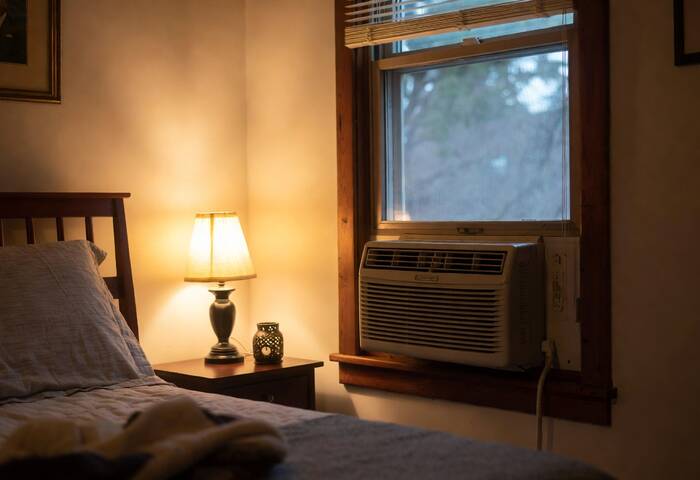
🧊 One Cool Room — Emergency Cooling
Heat kills more Americans than any other weather, and it does most of it overnight. You do not have to cool a house. You have to cool one room. A $150 window unit sized to that room will run off a small generator, and the whole family sleeps in there together, which is how families used to do it anyway.
Read the guide →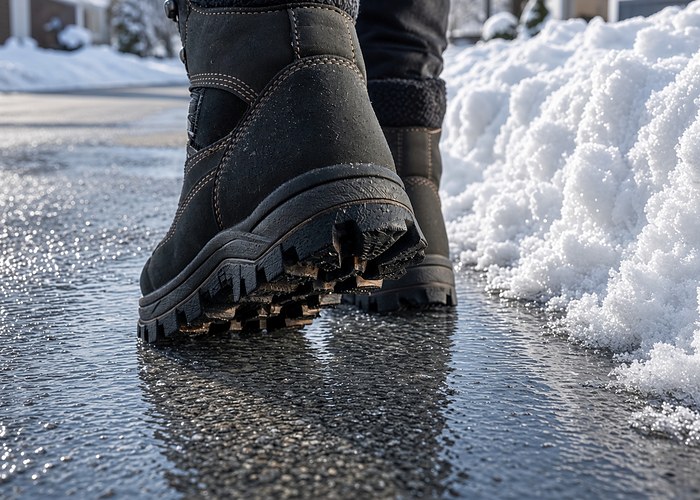
Snow, Ice and Staying on Your Feet
Shoveling asks more of a heart than a cardiac stress test does, and researchers who tested ninety-eight winter boots on a tilting floor of ice found ninety of them could not hold a slope gentler than a wheelchair ramp. Which footwear actually grips, which de-icer works at which temperature, and how to hand the shovel to somebody else without it feeling like a surrender.
Read the guide →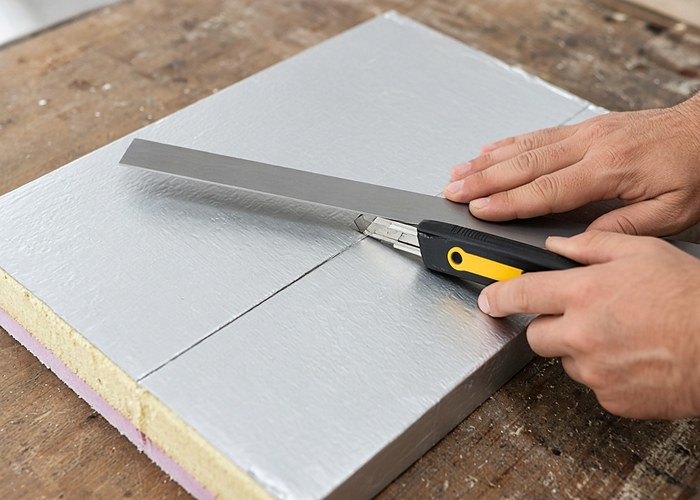
Window Insulation That Works
Your walls are R-13 or better and the glass in them is about R-1, which is why a quarter to a third of everything you pay to heat goes out through the windows. What a shrink-film kit actually is, how to cut rigid foam board to fit each opening so it stops nearly all of it, and why the same panels turned round fight the sun in July. Bought once. Used for the rest of your life.
Read the guide →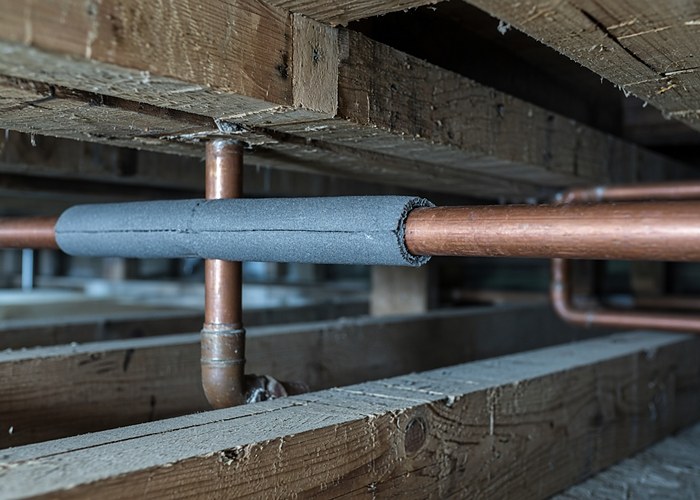
Frozen Pipes
Pipes start freezing around twenty degrees, not thirty-two, and the split almost never happens where the ice is. What that means for which tap you leave dripping, the garden hose that bursts a pipe inside your wall, and the valve to turn once in October so it is not the first time at three in the morning.
Read the guide →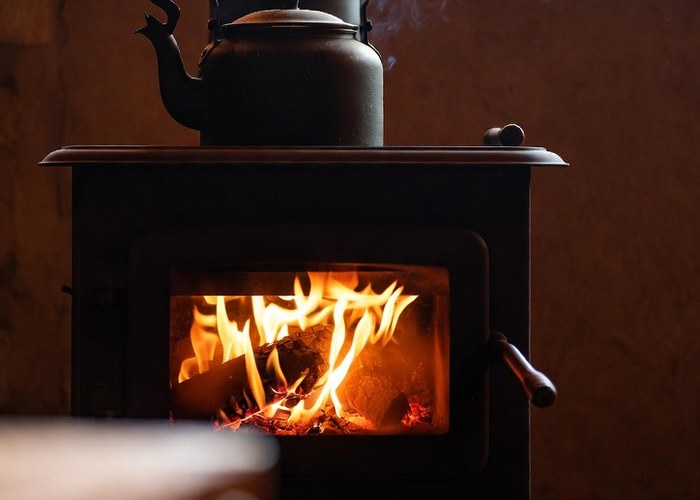
Heating One Warm Room
Sixty-two degrees indoors is enough to do it, and the thing most people reach for in a long outage is the thing that kills them.
Read the guide →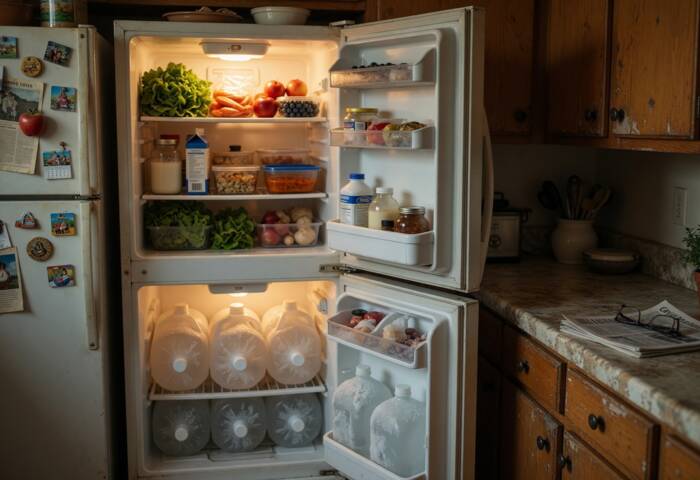
🧊 The Refrigerator — Keep Food Fresh & Frozen
A full freezer holds about 48 hours. Half full, 24. The refrigerator gives you 4, and it gives them to you whether you are paying attention or not. Freeze water jugs now and you buy more of all three. The timer on this page tells you where you actually stand.
Open the calculator →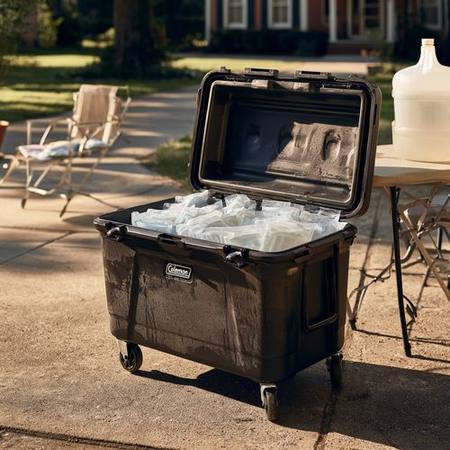
Quality Insulated Cooler
The kind that holds ice five to seven days, not the kind that holds it until suppertime. Medications, food, ice bricks. Five types explained, because the right one depends entirely on what you are asking it to keep cold, and for how long.
Read the guide →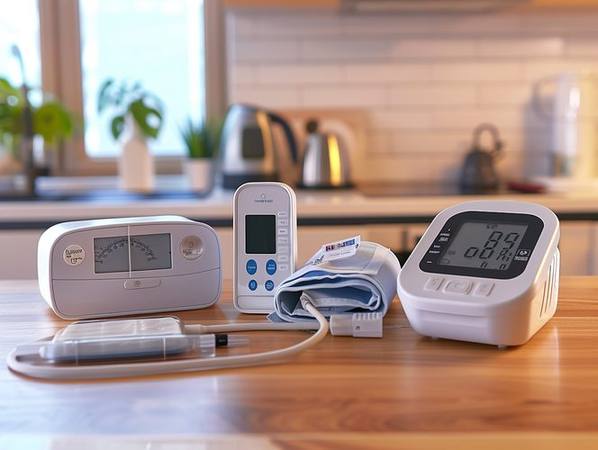
Home Medical Monitors
An upper-arm cuff, a pulse oximeter, a thermometer, and ninety days of your medications sitting in the cupboard. All four are doing the same job: telling you what your ordinary Tuesday looks like, so a bad night has something to be measured against.
Read the guide →These are consumer wellness devices, not diagnostic or treatment tools, and links to them are affiliate links (we may earn a commission at no extra cost to you). They don't diagnose, treat, or prevent any condition and aren't a substitute for professional medical care. Talk to your doctor about what's right for you, and if you feel unwell or think you're having an emergency, call 911.
🏠 A Home That Works for Changing Hands
Falls and grip are where independence is won or lost. Every one of these installs in a weekend and works better for every hand in the house from day one.
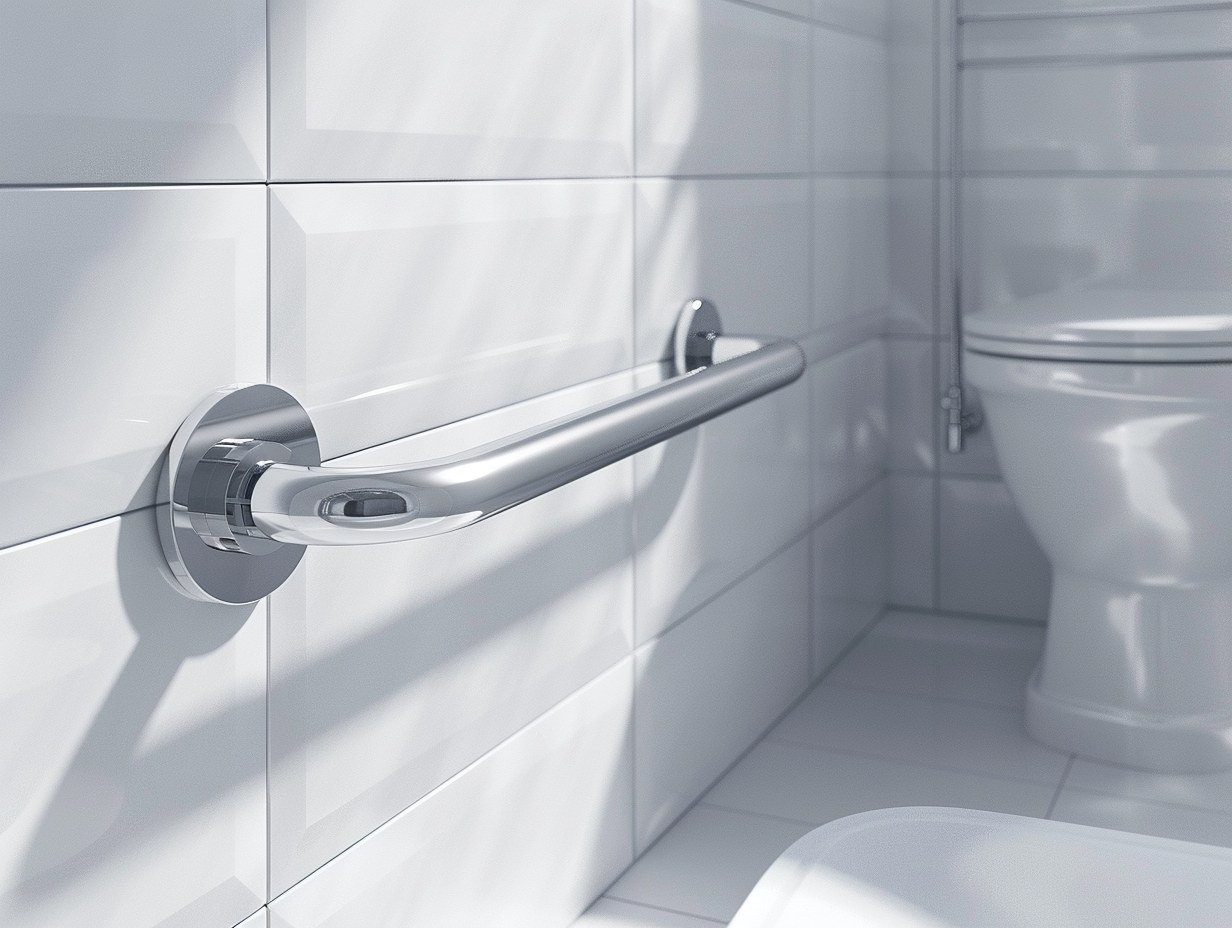
Bathroom Grab Bars
Stainless steel, bolted into studs, beside every toilet and inside every shower. Put them up at fifty and it is a Saturday, a drill, and your own decision. The same two screws at seventy-two tend to arrive by ambulance, and the fall that sends for them runs about $30,000 before anything else starts going wrong.
Read the guide →
Walk-In Tubs
The door is held shut by the water inside it, so you get in empty and sit while it fills, then sit wet while it drains. The sellers’ own fill and drain times, the heated seat they sell to fix a problem they never mention, and the three hundred dollars that solves the same thing.
Read the guide →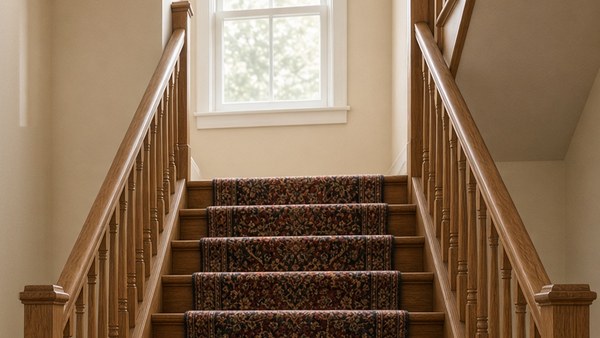
Stair Lifts
A fine machine, and a price that runs from a couple of thousand dollars to twelve thousand and more depending on the shape of your stairs. When renting beats buying, what a used one is worth, what Medicare will not pay and who might, and the second handrail worth putting up first.
Read the guide →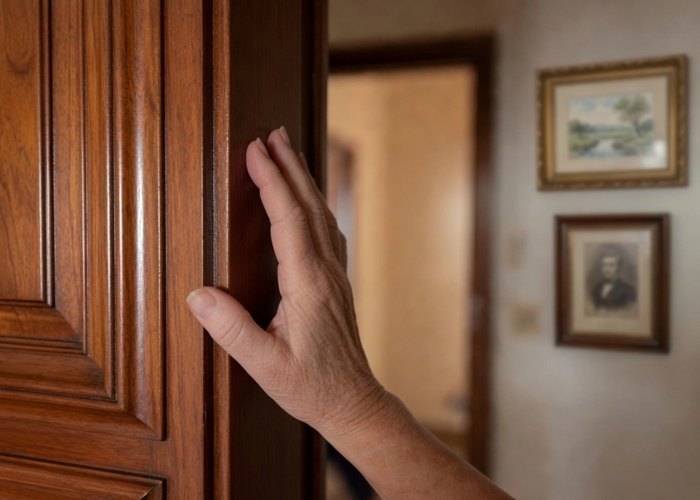
Aging in Place at Home
Almost everybody wants to stay in their own house. Whether you do gets decided either way — by you now, on an ordinary afternoon, or by your children in the four days after something happened. Here is the same work done early.
Read the guide →
Never Mind the Brand. These Are the Sizes.
Every tool list ever written tells you which name to buy. Not one of them tells you what size to reach for. Which wrenches, which sockets in metric and inch, which screwdrivers and which pliers actually earn their place — and what is missing out of an inherited tool box the day you open the hood of a car built this century. No brand names in it anywhere.
Read the guide →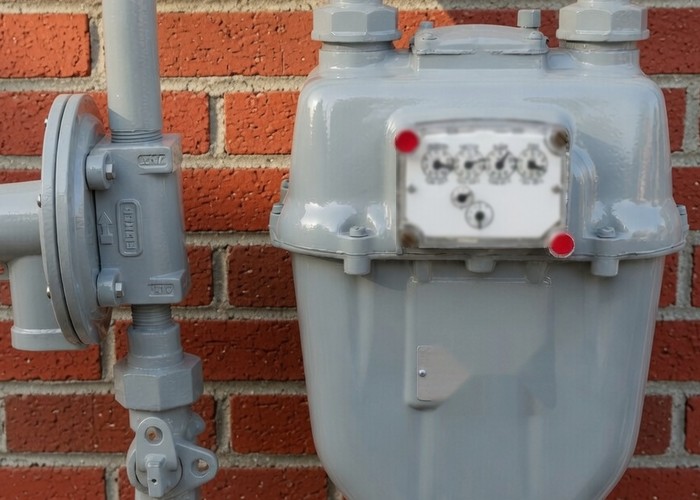
Three Ways a House Can Turn On You
Water, gas and electricity each have a place where they can be stopped, and most people go looking for the first time in the dark. Where the water valve is and whether you are even allowed to use it. The quarter turn that shuts the gas off, and the one rule about turning it back on that has no exceptions. Why a carbon monoxide alarm will not tell you about a gas leak. And the order of operations for walking back into a flooded house.
Read the guide →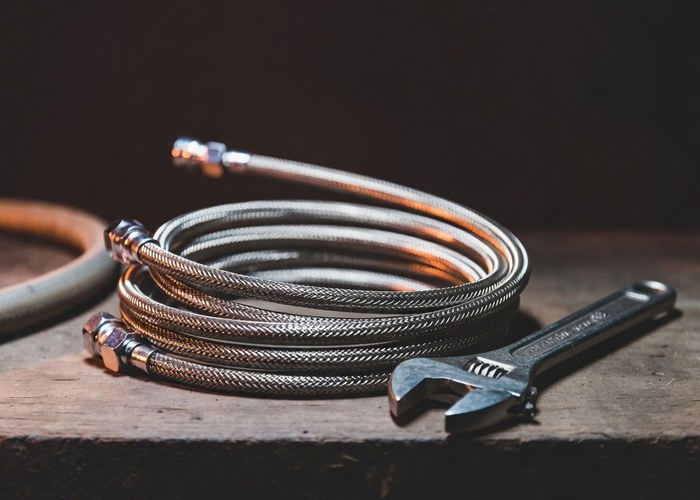
The Plumbing That Never Announces Itself
A clog at least has the decency to tell you. A running toilet does not, and the EPA puts the average household’s leaks at over 9,300 gallons a year. The flapper is six dollars. The weak kitchen tap is a screen you soak in vinegar. The supply line behind the washing machine is twenty minutes today or a flooded house on a fortnight you were away — plus the wax ring, the seat, and the shutoff valve you have never once turned.
Read the guide →
Minor Plumbing & What the Tools Actually Cost
Nearly every plumbing call is one of two jobs: a toilet that will not go down, or a drain that has been getting slower for eight months. Three cheap tools settle almost all of them in about ten minutes — and one of the three is the plunger you already own, except yours is the wrong one. Also why the same drum auger costs twice as much at one store as at another.
Read the guide →
Small Repairs & the Trade of Time for Money
Nobody loses a house over one big thing. They lose it over forty small ones that nobody could afford to telephone anybody about. Most retired people have very little money and a very great deal of time, and those two things trade against each other — here is the rate, where the tools come from, and why the estate sale is the right place to get them.
Read the guide →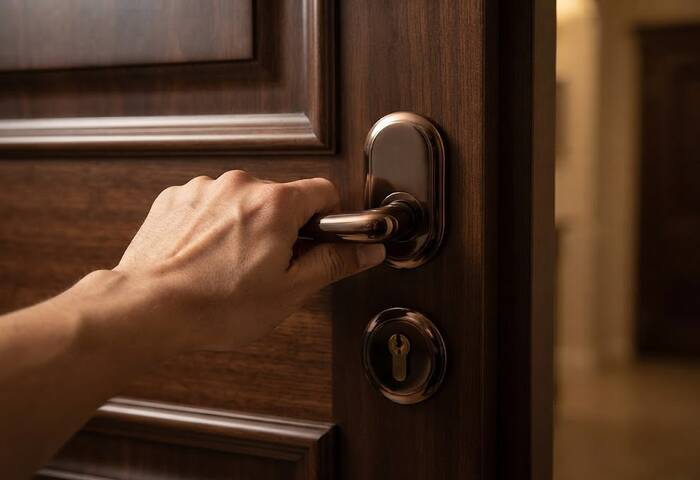
Easy-Grip Home Upgrades
Round doorknobs, twist faucets, little keyholes, cabinet knobs the size of a pea — every one of them designed for a hand of about thirty. Levers, bar pulls and a keypad lock cost near enough the same and ask nothing of your grip. Change them at fifty and you will never once notice you did. That is the whole idea.
Read the guide →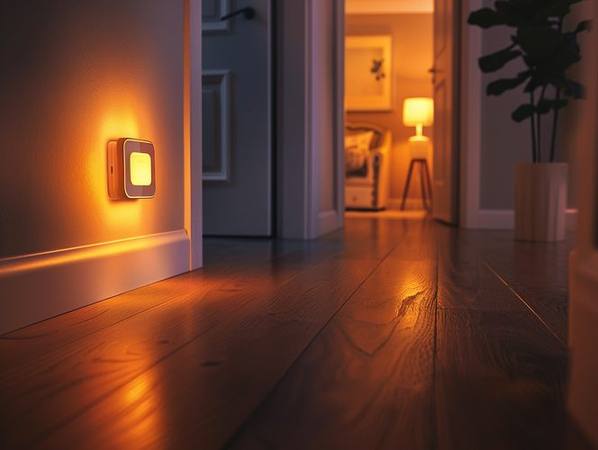
Motion-Activated Night Lights
Nobody falls at two in the afternoon. Plug-in motion lights in the hallway, the bathroom and the stairs come on before you are properly awake, and go off again without being asked. Under $30 for the lot, under a dollar a year to run. There is no cheaper safety on this site.
Read the guide →
Hearing Aids for Seniors
The rule changed in 2022 and nobody sent a letter. A device that averaged two thousand dollars an ear is now something you can simply go and buy.
Read the guide →
Keeping the Mind at Work
The most sobering finding in the research is not about disease. It is about what happens to healthy people who stop having anything to decide.
Read the guide →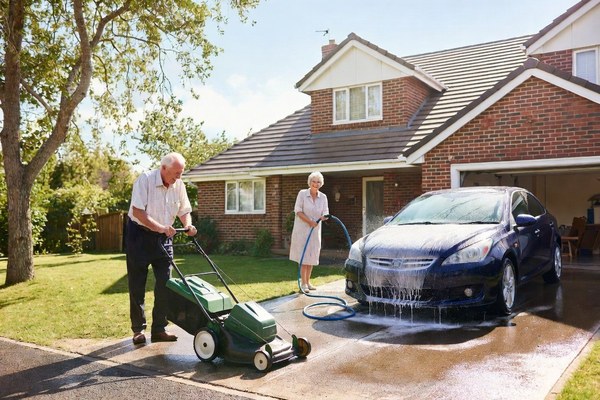
Prepared for Retirement
Not the money conversation. The one about what your days are actually going to be made of once they are yours.
Read the guide →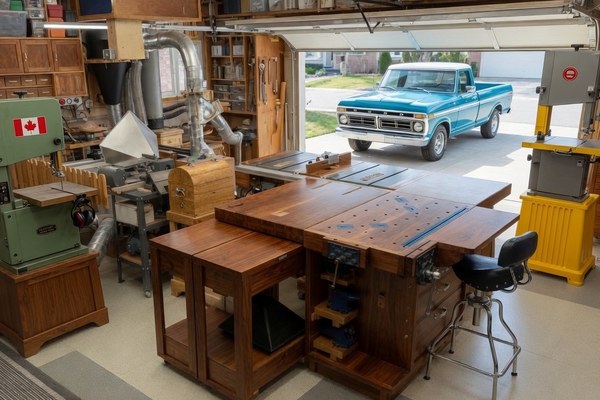
What Happens to Your Things
Brown furniture is worth almost nothing and the tools are worth a great deal. An honest account of what becomes of a lifetime of possessions.
Read the guide →🧰 Buy Once, Use Forever
The things that outlast their owners. Bought at 55 on working income, still working at 90 — no batteries, no coatings, no replacements.
Cast Iron Cookware
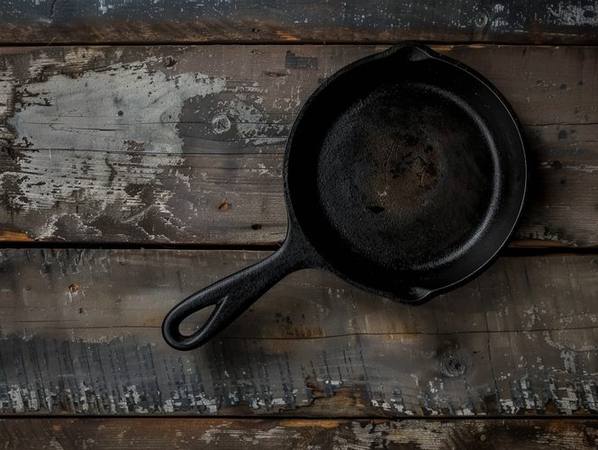
A non-stick pan is a good pan with a short future. The coating gives up in three to five years and then you buy another, and another after that. Cast iron has nothing on it to peel. That is the entire argument, and it holds for the next thirty years.
Read the guide →
🥓 Bacon Grease & Lard — Liquid Gold
Your grandmother kept a crock of bacon grease on the back of the stove and made the best biscuits you ever ate. She was not being thrifty for the sake of it. Here is what was actually in that crock, and why the tin of vegetable shortening that replaced it never mentioned any of it.
Read the guide →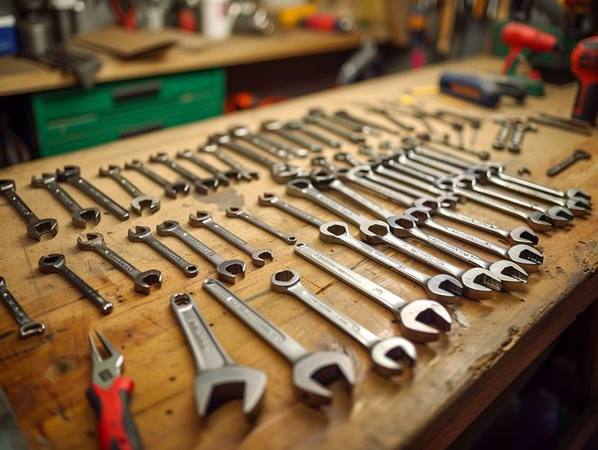
Quality Hand Tools
Chrome vanadium wrenches, locking pliers, a corded drill, a ratcheting screwdriver. Not one of them has a battery to be discontinued or a coating to wear off. Buy the drawer once and it outlasts you — which is rather the point, because somebody is going to inherit it.
Read the guide →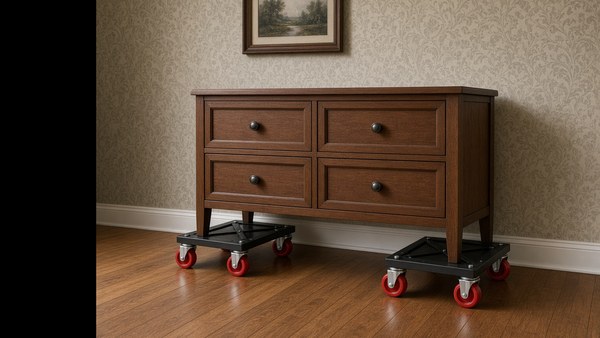
What to Do Instead of Moving It Yourself
Anything tall — a fridge, a freezer, a bookcase, a cabinet — is not a job to attempt yourself at any age past fifty, with or without equipment, and this page says so plainly. What the tools honestly do, why a push pulls a muscle as readily as a lift does, how to line up the hands before you need them, and why the first conversation is with your doctor rather than a hardware store.
Read the guide →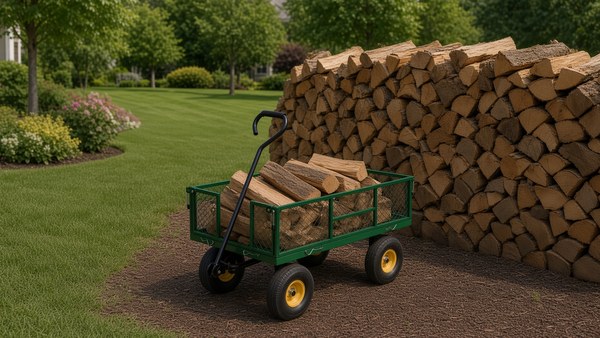
The Garden Wagon
About a hundred dollars of steel on four fat tires, and it deletes the lift instead of helping you do it better. The generator, the water jugs, the firewood, the bags of soil, the groceries in one trip. Why the federal lifting standard says the bag in your trunk was already too heavy, which tires to buy, and the one thing a wagon still will not do for you.
Read the guide →
Cutting, Shaping and Measuring Tools
The saws, chisels and planes that shape the wood, and the squares, tapes and gauges that tell them where to stop.
Read the guide →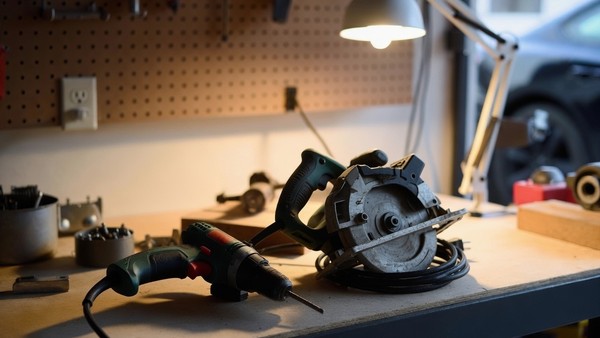
Corded Power Tools
Which corded tools are worth owning, what each one does, and roughly what to pay — the motors that outlive every battery platform.
Read the guide →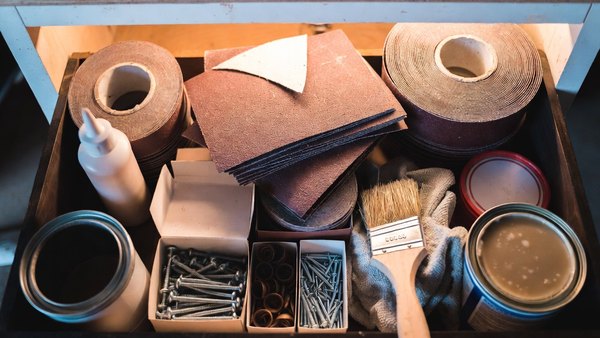
Finishing Tools and Shop Supplies
Sandpaper, glue, blades, fasteners and finish — the consumables you actually spend money on year after year.
Read the guide →
Seasoning Firewood
Green wood does not burn, it smolders — and what it leaves in the flue is what burns the house down. How long split wood really takes to dry, how to tell before you buy, and why the man selling “seasoned” often is not lying so much as guessing.
Read the guide →
Wood Banks & Senior Food Programs
About 250 firewood banks cut and split wood for people who no longer can, one of them since 1979 and built for seniors. Plus the federal food box for anyone over sixty, and the law that lets a wholesaler give away good food near its date.
Read the guide →🌱 Grow Your Own Food
A garden started before you need it is the only garden that is there when you do. Fresh eggs, vegetables, fruit, herbs, and tea — grown on your schedule, at your pace, for pennies.

Vegetable Garden & Ergonomic Tools
The average home garden hands back about $600 a year in food. It also asks for a great many hours on your knees, and the knees are the part that files its complaint first. A kneeler bench and a raised bed are what keep the $600 arriving after that complaint has been filed.
Read the guide →
Potato & Sweet Potato Guide
A hundred-foot row will give you three hundred pounds of potatoes, and a single sweet potato plant will give you five pounds or better. Twelve varieties covered. Also how to plant sweet potato slips, which is nothing whatever like planting a potato and catches out everybody the first year.
Read the guide →
Backyard Chickens — Hens, Not Roosters
Ninety-three per cent of the big American cities now allow backyard hens. Not roosters. Nobody has ever allowed roosters, and after one week you will see their point. A few hens cost pennies a day in feed and hand you breakfast, and the coop is bought once and stands there for years.
Read the guide →
Dwarf Fruit Trees & Berry Bushes
A dwarf fruit tree wants a circle eight to ten feet across, which is a good deal less yard than most people brace themselves for. Plant it at fifty and for a while it is a small tree in the way. Leave it alone and it is feeding you at seventy-five.
Read the guide →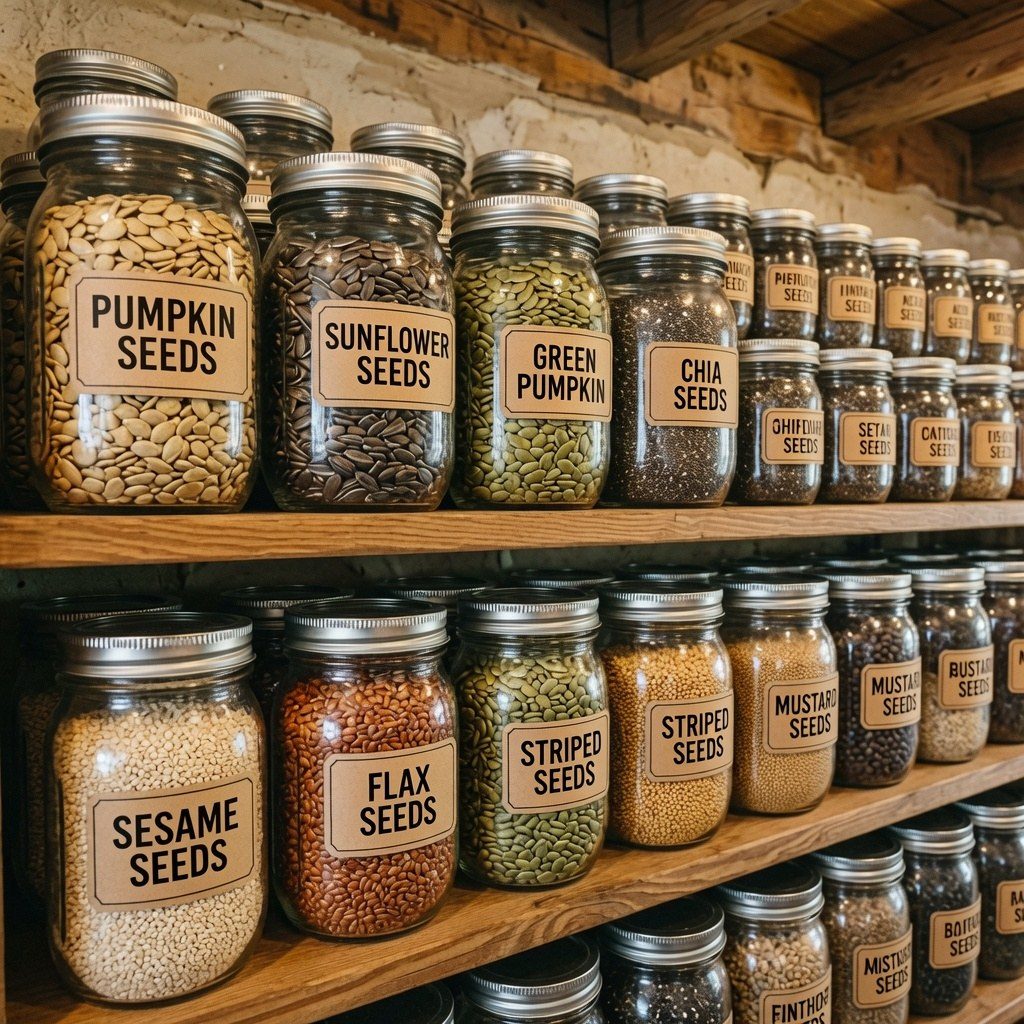
Heirloom Seed Saving Guide
Buy true heirloom seed once, save your own every year after, and the seed rack stops being somewhere you have to go every spring. Crop by crop, because tomatoes, beans and squash each want something different from you at the end of the season.
Read the guide →
Herb Garden Guide — Fresh & Dried
A 4×4 patch holds a dozen herbs, which is already more than any household honestly uses. Rosemary and thyme come back on their own for years and ask nothing at all. The rest of this page is about the ones you cannot possibly eat fresh — drying them, jarring them, and giving them away.
Read the guide →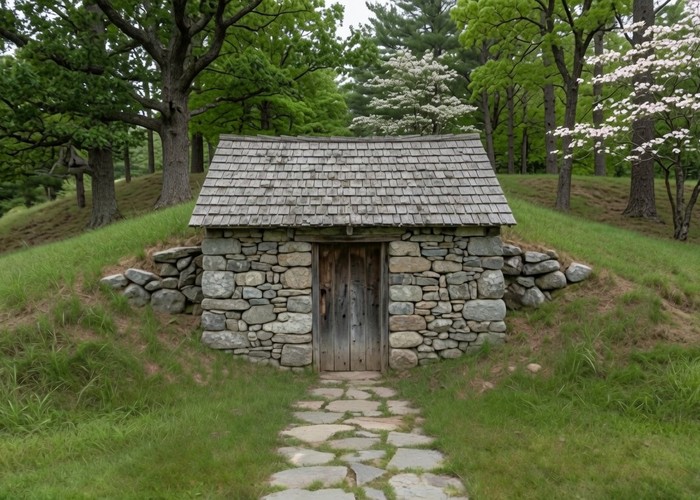
The Spring House
Refrigeration with no power, no compressor and nothing to break — and the reason it existed was not storage at all. It was the gap between when the garden forces your hand and when you can actually get to the work.
Read the guide →
Pickling, Fermenting & Drying
The two ways to put food up that need no canner. Nothing gets hot, nothing gets heavy, and nothing runs on a clock — which matters more every year. Plus the crock, the weights and the one dehydrator spec worth paying for.
Read the guide →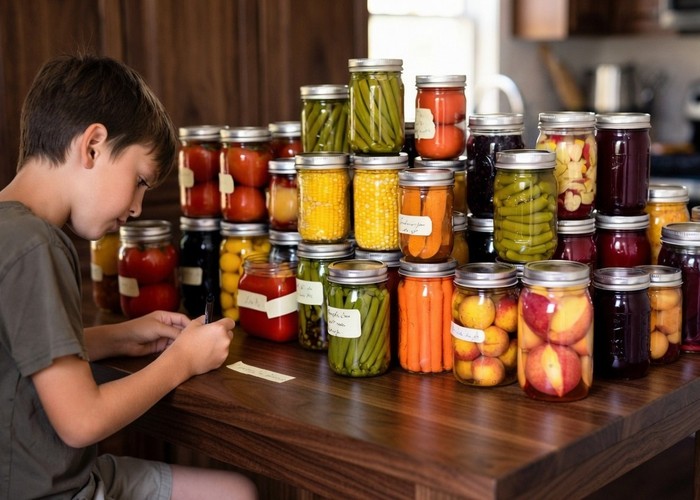
The Canning Shelf
Buy it once, fill it every fall. Which canner you actually need, the jars that outlast you, the lids you rebuy every year, and the tested book that holds all the how-to on purpose.
Read the guide →
🍵 Grow Your Own Tea Garden
Green, black, white and oolong all come off the same bush. The difference is entirely in what happens to the leaf after it is picked, which surprises most people. That bush will grow in a yard, and so will chamomile, mint, lemongrass, roselle hibiscus and nine others. Grow it, dry it, give it away at Christmas.
Read the guide →
📚 Stories You Can Learn From
Composite stories, built out of documented outage events across America. The names are invented; the patterns behind them are not. Read them for the decision somebody wishes they had made a month earlier, while it was still an ordinary afternoon.
Read the stories →
The Yard Two Doors Down
A neighbor watches a couple past sixty tear out their lawn and start feeding themselves — chickens, a farmers-market stand, and a whole street that caught it. It was work. It paid them back.
Read the story →
My Grandmother’s One Rule
A boy at his grandmother’s elbow on a California mountain, and the one kitchen rule she never once let slide — the story behind why this site hands you the gear, then the tested canning book.
Read the story →
Pest Control Without Chemicals
Feed the soil, plant the flowers, seal the row cover. The slow methods that work on every pest at once instead of one at a time.
Read the guide →
Seed Swaps and Seed Communities
Envelopes on a folding table in a library room, and no money moving anywhere. Where a dozen new varieties costs nothing but the afternoon.
Read the guide →
Saving Seed, Crop by Crop
Wet processing, dry processing, and the two-year crops. Which vegetables come back true and which will disappoint you.
Read the guide →
Chicken Laws, State by State
Hens are legal in far more places than people assume, and roosters in far fewer. What to check before you build the coop.
Read the guide →Home Safety — Install Now, Thank Yourself Later
Falls are the leading cause of injury death among Americans past sixty-five, and most of them do not happen on a mountain. They happen indoors, in a house somebody has lived in for thirty years. Nearly every job here is one afternoon and a few screws — while you can still get down on the floor and back up again without help.

Comfort Height Toilet
17–19 inches instead of 15. Getting up off a low seat with bad knees is a small hard job you do several times a day, every day, forever. But taller is not automatically better, and a seat that leaves your feet swinging is its own kind of trouble. The calculator settles it in thirty seconds.
Open the calculator →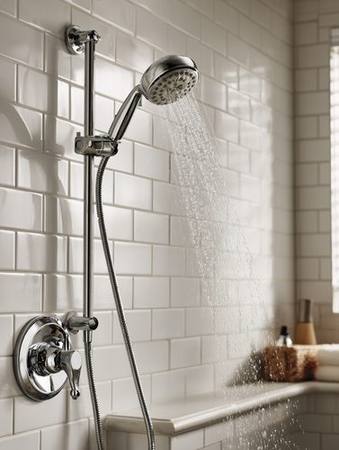
Handheld Showerhead
On a sliding bar, with a hose of 72 inches or better, so the water comes to you instead of you going to it. That matters the first day you would rather sit down to wash. $40–80, fifteen minutes and a roll of plumber's tape. One third of the Safe Shower Trio: bar, bench, handheld.
Read the guide →
Non-Slip House Slippers
A rubber sole, a strap at the back, and real grip. The soft flat ones that turn up as a present at Christmas are about the worst footwear ever set on a tile floor. Nobody has ever admired a pair of these. They are not for that.
Read the guide →
Rechargeable Lanterns
Lanterns that throw real light for 8–12 hours, not the drawer flashlight that has been waiting since 2009 for its chance to disappoint you. One in every bedroom, one in each room the family actually sits in. Light is most of the difference between an outage and a bad night.
Read the guide →
Home and Property Security
Burglars want a soft target and a quick way out. The cheap changes that cost them time, make a noise, and take away their cover — plus the two minutes in the driveway nobody writes about.
Read the guide →
Phone and Internet Scams
Every one of these calls runs on the clock rather than on cleverness. The one sentence that ends most of them, the safe way to ring back, and the payment methods that are a scam every single time.
Read the guide →
A Dog After 50
Man's best friend for a reason, and the reason gets stronger after fifty. What a dog is really for, what the burglars actually said about them, and why the injury figures everyone quotes are a training problem rather than a dog problem.
Read the guide →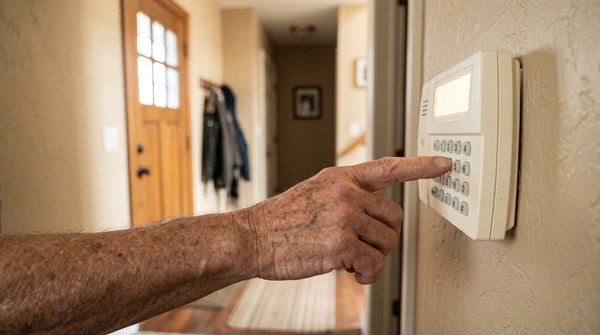
Home Alarm Systems After 50
A siren at three in the morning is not security — it is the news that everything else already failed. Monitored or self-monitored, what the bill really comes to over ten years, and the permit and false-alarm rules that decide whether the police come at all.
Read the guide →
AI for Seniors
Nobody decides to start using it — it arrives. What it is genuinely good for, what it gets confidently wrong, and the half nobody writes down: the coverage denial an algorithm helped produce, the appeal that overturns four in five, and the voice on the telephone that is not your grandson.
Read the guide →Money — What Comes In, and What Goes Out
About nine million older Americans are eligible for help they never claim — somewhere near fifty-eight billion dollars a year, sitting unasked for. None of these pages are about being careful with money. They are about the money you are already owed, the bills that can lawfully be made smaller, and the work that is still worth doing at seventy.
The Check Was Never Going to Be Enough
The average retired-worker benefit is $2,071 a month. Housing and health care alone average $29,992 a year. What the arithmetic actually does to people, why Medicare pays none of a nursing home, and the $58 billion in benefits nine million older adults never claim.
Read the guide →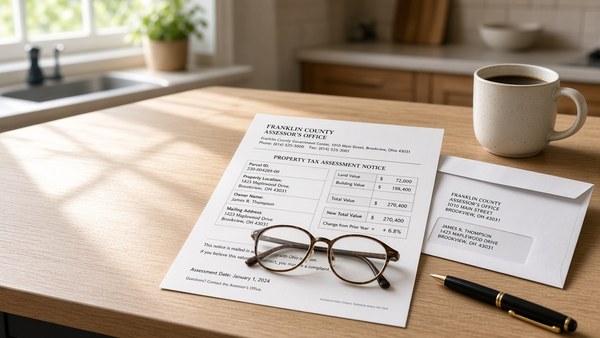
The Property Tax Nobody Told You Was Optional
Almost every state has relief for older homeowners — exemptions, freezes, income-based credits, deferrals. Almost all of it is application-only, the deadlines fall early in the year, and nobody writes to tell you that you have become eligible.
Read the guide →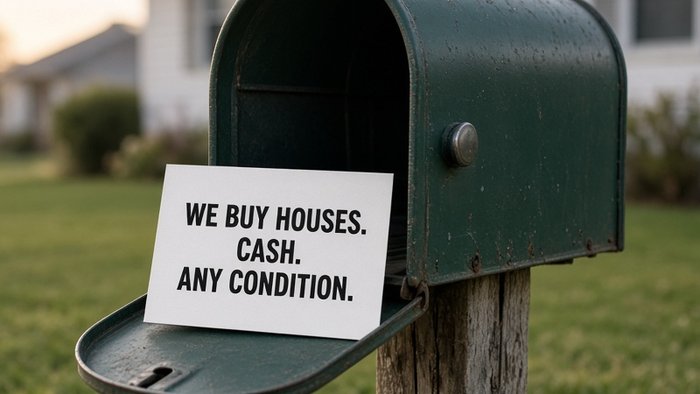
The Postcard That Wants Your House
We buy houses. Cash. As is. Sometimes that is exactly what it says. But AARP reports that homeowners who sell through a wholesaler usually get about 60 percent of what the house is worth. How the contract gets sold on, what state officials have found in the paper, and four ways to learn your own number before you answer.
Read the guide →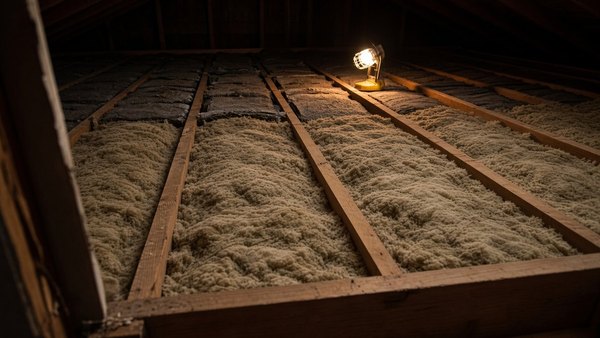
Help Paying Your Utility Bill
One federal program pays toward the bill. A second one insulates the house and will replace a failed furnace at no cost — and by federal rule older households are given priority for both. Plus the trap that stops a house being weatherized, and why a winter shutoff rule is not a holiday from the bill.
Read the guide →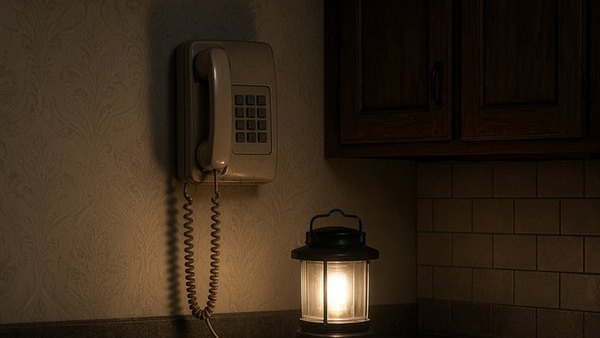
The Phone That Always Worked Is Being Switched Off
Phone companies are retiring the old copper landlines, and the letters are already arriving. Why the new phone can go dead in a blackout when the old one never did, the backup battery you have to ask for, and the questions that keep 911, the alarm and the medical alert working after the switch.
Read the guide →
Part-Time Work for Retirees
A young man can walk into a trade and be taught. Nobody starts a sixty-eight-year-old on an apprenticeship — so here is the work that actually is available, sorted by what the body can still do and by whether the job forgives a bad week. Including the one kind of work that grows as the machines get better, and the list of what not to start.
Read the guide →The Pages You Read Before You Need Them
Every page in this group arrives on the worst day you will have that year. A hospital corridor at ten at night. A bill with a number on it you cannot pay. A phone call that turned out to be a thief. Each one has money or a signature attached, and by the time it happens there is no time left to read up. All of it can be learned calmly, years early, by somebody with nothing wrong. That is this whole site in one idea.
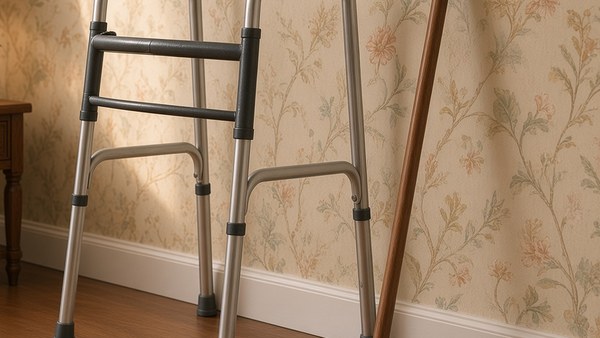
Canes, Walkers and Rollators — The Doctor’s Visit Is the Discount
Medicare covers all four as medical equipment when a doctor prescribes them, so the route almost everybody skips is the cheap one. Plus the supplier question that decides whether you get a penny back, and why the plain walker holds you steadier than the fancy one.
Read the guide →
Caring for a Spouse at Home — The Money and the Rules Nobody Explains
Medicaid will pay an adult child for the work a husband or wife is doing for nothing, because a spouse is a “legally responsible relative.” Where that rule bends, what respite is and how to ask for it, and the waiting list worth joining years early.
Read the guide →
Turning 65 — The Enrollment Windows and the Lifetime Penalty
Seven months around your birthday, and the penalty for missing them is charged every month you are alive — on a premium that goes up every January. Why COBRA and retiree coverage do not protect you, and the six-month door that never opens twice.
Read the guide →
Observation Status: The Hospital Bed That Is Not an Admission
A patient can spend three nights in a hospital bed and never have been admitted. Observation is outpatient, those days do not count toward the three days Medicare needs before it pays for rehab — and families find out when the nursing home bill arrives. The question to ask on day one, and the appeal that did not exist until last year.
Read the guide →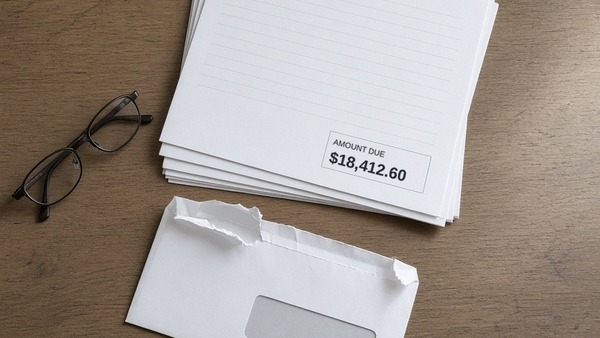
The Hospital Bill You Cannot Pay
Every nonprofit hospital in the country is required to have a written financial assistance policy, to cap what a qualifying patient is charged, and to leave the bill alone for 120 days. Almost nobody is told. The itemized bill, the two clocks already running, and why what everyone now believes about medical debt and credit reports stopped being true in July 2025.
Read the guide →
The Papers You Sign in the Hallway
Somewhere in the nursing home admission stack is a page asking you — the daughter, the son — to become personally responsible for a bill that can pass $100,000 a year. Federal law forbids the facility from even asking. What to strike, how to sign your own name, and the only six reasons anyone can be made to leave.
Read the guide →
The One Paper You Can Only Sign While You Don’t Need It
Everything else on this site costs more if you wait. A power of attorney does not cost more — it stops being possible. What it does, why Social Security, VA, Medicare and the IRS will not take it anyway, how to choose the person, and where people sixty and over can often get free help drawing one up.
Read the guide →
After the Scam Already Worked
The money is not always gone. The FBI froze $679 million of it in 2025 — for the people who reported in time. The order to make the calls in, what can still be pulled back depending on how you paid, the free credit freeze, and the second wave of fraud aimed at people already robbed once.
Read the guide →
The Month Nobody Prepares For
When one of you dies, one Social Security check stops outright and several thousand dollars a year of benefits have to be applied for. What the internet gets wrong about VA survivor benefits, the pension signature that decides it years early, the tax bracket that closes — and the one page you write tonight.
Read the guide →
Funerals and Burial
The median funeral with viewing and burial runs $8,300, and that figure does not include the ground. Federal law already lets you price three homes over the telephone without giving your name — and almost nobody does it, because the week you need that right is the week you cannot face the call. Plan it at sixty. Do not prepay at sixty; those are opposite instructions.
Read the guide →Sight, Hearing, Teeth and Company
Medicare does not cover eyes, ears or teeth. That is not an oversight you can appeal — it is written into the law, and it is why people go without. These are the things that quietly shrink a life: what you can see, what you can hear, what you can chew, how far you can get from your own front door, and whether anybody sits down in the other chair. Every one of them has a workaround worth knowing about early.

Vision After 50
Original Medicare pays nothing toward an ordinary pair of glasses, and people find that out at the counter. But the bigger surprise is in the falls research: it is contrast and depth perception that predict a fall, not sharpness — and fewer than half of falls clinics look at the eyes at all.
Read the guide →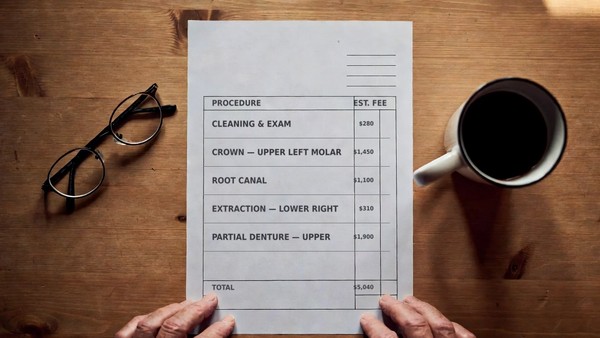
Dental Costs After 50
Original Medicare has never covered routine dental, and the average Advantage plan caps it at about one crown a year. Worse: the cover you can buy separately will not pay for the tooth that is already broken. What it costs, what to ask, and the four routes that cost a fraction.
Read the guide →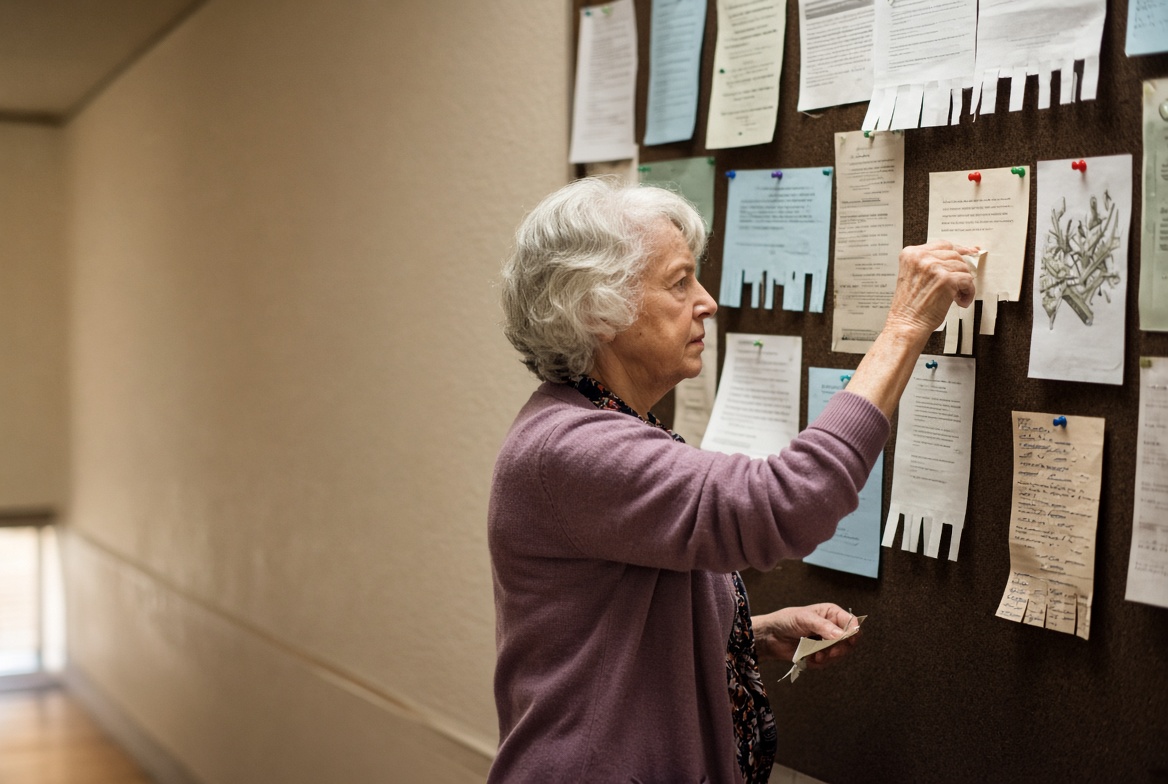
📍 How to Find Your People
Every article tells you to join a group and then stops, as though you knew where to look. Four free ways to find out what actually exists in your own town — including the three-digit number almost nobody over sixty has heard of — plus what to say when you call, and what to do when you have no money and no car.
Read the guide →
☕ Making Friends After 60
Every article on this gets you as far as the door of the room and quits, as though the hard part were finding the room. What actually happens next — why a card game beats a club, how many hours a friendship really takes, and the smallest arrangement there is for making one.
Read the guide →
🪵 When Family Cannot Be the Plan
Your children are not villains. They are rationed — working, raising, and caring for somebody already. None of which changes your Tuesday afternoon. Five supports that hold weight when family cannot, and the real list of places a man in his seventies actually walks into to find new people. Including the one nobody has heard of.
Read the guide →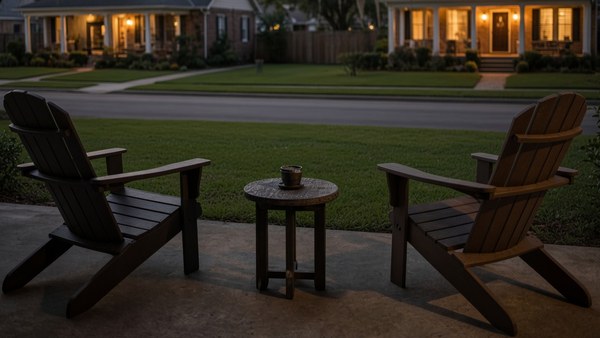
They Will Tell You, If You Sit Long Enough
Sit still on a patio in the evening and a man of seventy will say straight out that he is lonely. Where to actually go, why “you are not a burden” never lands, and a straight answer on the AI companions — plus the half of it written for the person in the other chair.
Read the guide →
🌻 What Makes Older Adults Happier
One of the longest studies of adult life ever run keeps coming back to the same answer, and it does not come in a box. What the research found about people, being useful, owing nobody and having something to tend — every figure traced to its source, and the soft spots set down plainly.
Read the guide →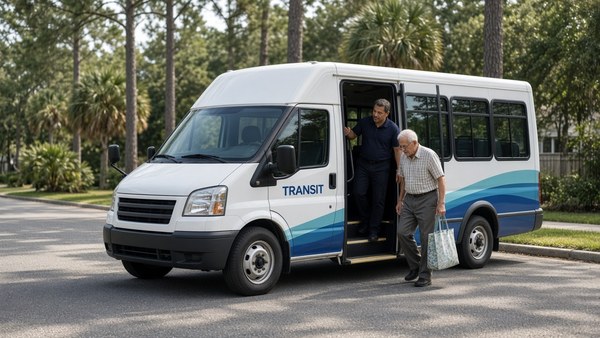
Getting Around Without Driving
Most counties run a bus that comes to your door, goes almost anywhere in the county, costs a couple of dollars and is open to anybody — and hardly a soul under sixty knows it exists. How to find yours, what they cannot refuse you, and the trips you no longer need to make at all.
Read the guide →Tools — Buy Once, Last Forever
Your grip will go. It goes for everybody and there is no sense being sour about it. But a wrench on a stubborn bolt and one smart tap of a hammer on the wrench handle will open what two strong hands could not, and the wrench does not care in the least how old you are. Buy good ones now. They will still be working at ninety, and they will not have gotten any weaker in the meantime.
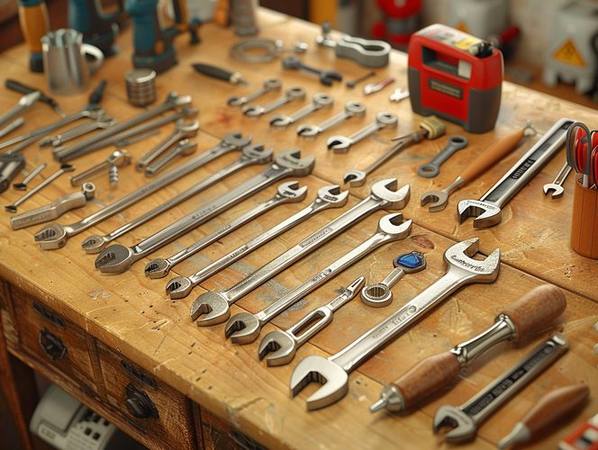
Drop-Forged Wrench Set
Chrome vanadium, standard and metric. A drop-forged wrench bought this afternoon will still be turning bolts when you are ninety-five, and it will not have gotten any weaker in the meantime. Keep a claw hammer beside it — tapping a stubborn nut is the oldest trick there is, and it still works.
Read the guide →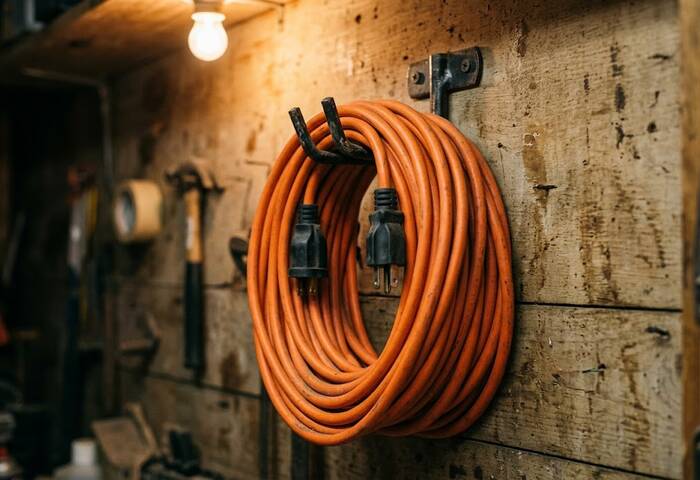
The Right Extension Cord
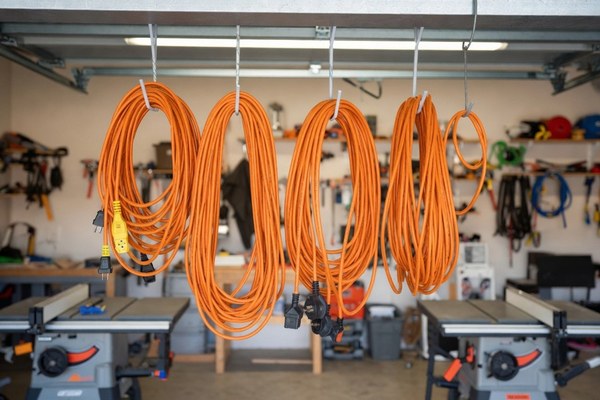
The wrong cord starves a motor and starts a fire, and it does both quietly. What gauge, what length, one chart. Then the generator arithmetic: the fridge, the window unit and the television, all of them running down one cord across the lawn, and whether that cord can carry what you are asking of it.
Read the guide →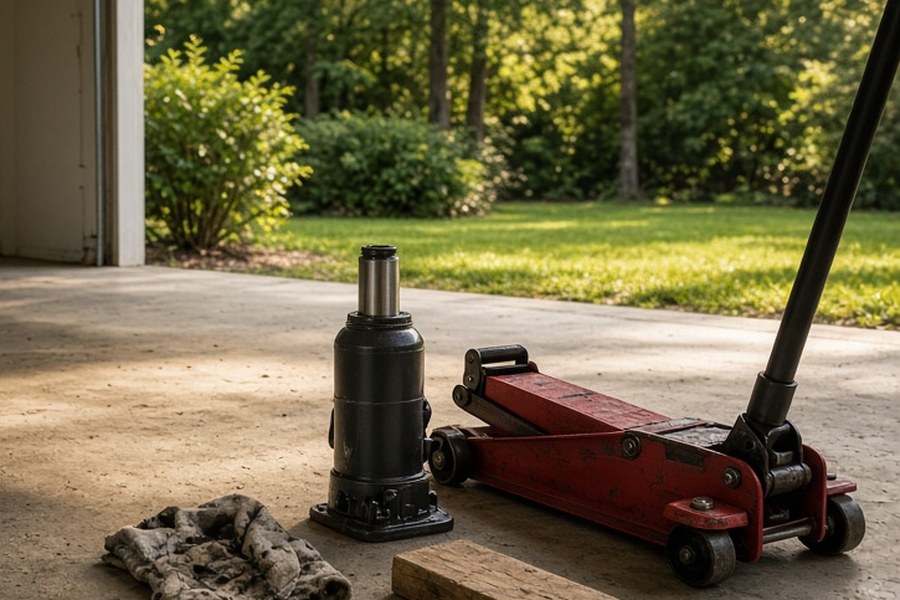
🛞 Floor Jack or Bottle Jack
Twenty pounds of push on a handle, and four tons comes off the ground — not because you are strong, but because the oil does not care how strong you are. Which of the two lifts a shed corner and which one lifts a car, what each costs you in weight and money, and the one rule that keeps a jack from killing anybody.
Read the guide →
Corded Impact Driver
A battery platform discontinued in ten years leaves you holding a paperweight and a charger for nothing. A corded impact driver plugs into any outlet in any house, drives screws with almost no twist at the wrist, and will still be doing it in thirty years. If your grip has begun arguing with you, this is the tool that changes most.
Read the guide →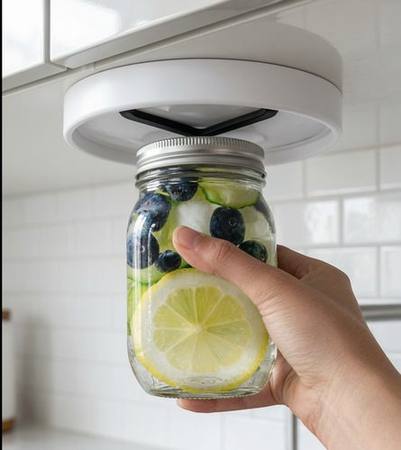
Under-Cabinet Jar Opener
Mounts under a cabinet once and stays there for the rest of its life. Opens any jar one-handed, with almost no force, and never has to be found first. About $10. For the money, it may be the most useful thing named anywhere on this page.
Read the guide →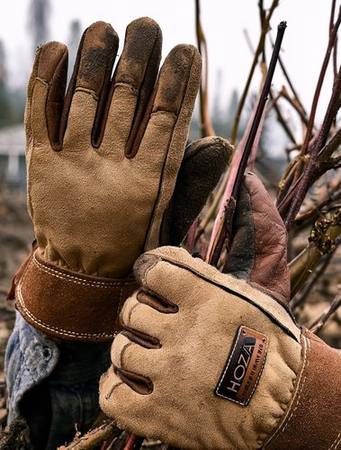
Leather Work Gloves — Buy Several Pairs
Good leather gloves keep for decades in a drawer. Skin does not. At seventy it thins, tears at very little and takes its time healing, so gloves matter more then than they do now — which is precisely when nobody thinks to buy any. Buy several pairs while it is not on your mind.
Read the guide →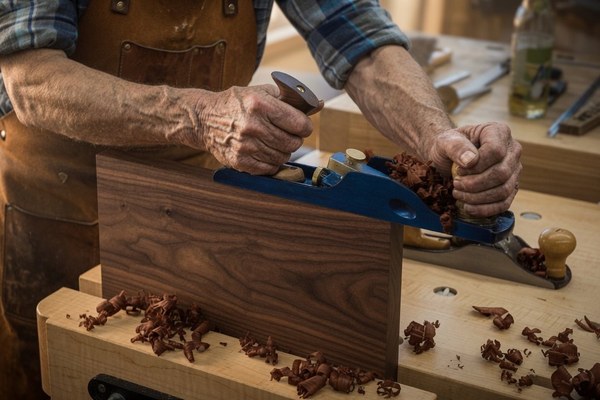
Tools and Aging Hands
Quality protects the work. It does not protect the hand. Three tools that are fine for an hour and wrong for a day, and what actually helps.
Read the guide →
Fix It Yourself After Fifty
Working people trade money for time. Retirement reverses that trade and almost nobody redoes the arithmetic.
Read the guide →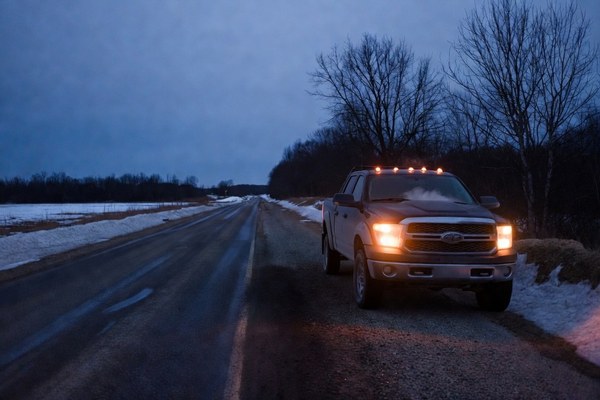
The Truck Kit
What lived behind the seat of every working truck, why each piece was there, and what it costs to put one together now.
Read the guide →
What a Hull Teaches
Boat work taught a way of thinking about maintenance that applies to a house, a body and a marriage. Mostly: fair the whole curve, not the dent.
Read the guide →Kitchen — The Right Equipment Lasts a Lifetime
One cast iron skillet properly seasoned will outlive you, your children, and possibly your grandchildren. The cheap non-stick pan you buy at 70 because you never bought a real one will need to be replaced at 74. Cast iron has no coating to peel in the first place.

Portable Induction Burner
~$100, 1,800W. Boils fast, holds a set temperature, never heats the kitchen, and shuts itself off. Two catches: your pans need iron in them, and it wants a circuit to itself.
Read the guide →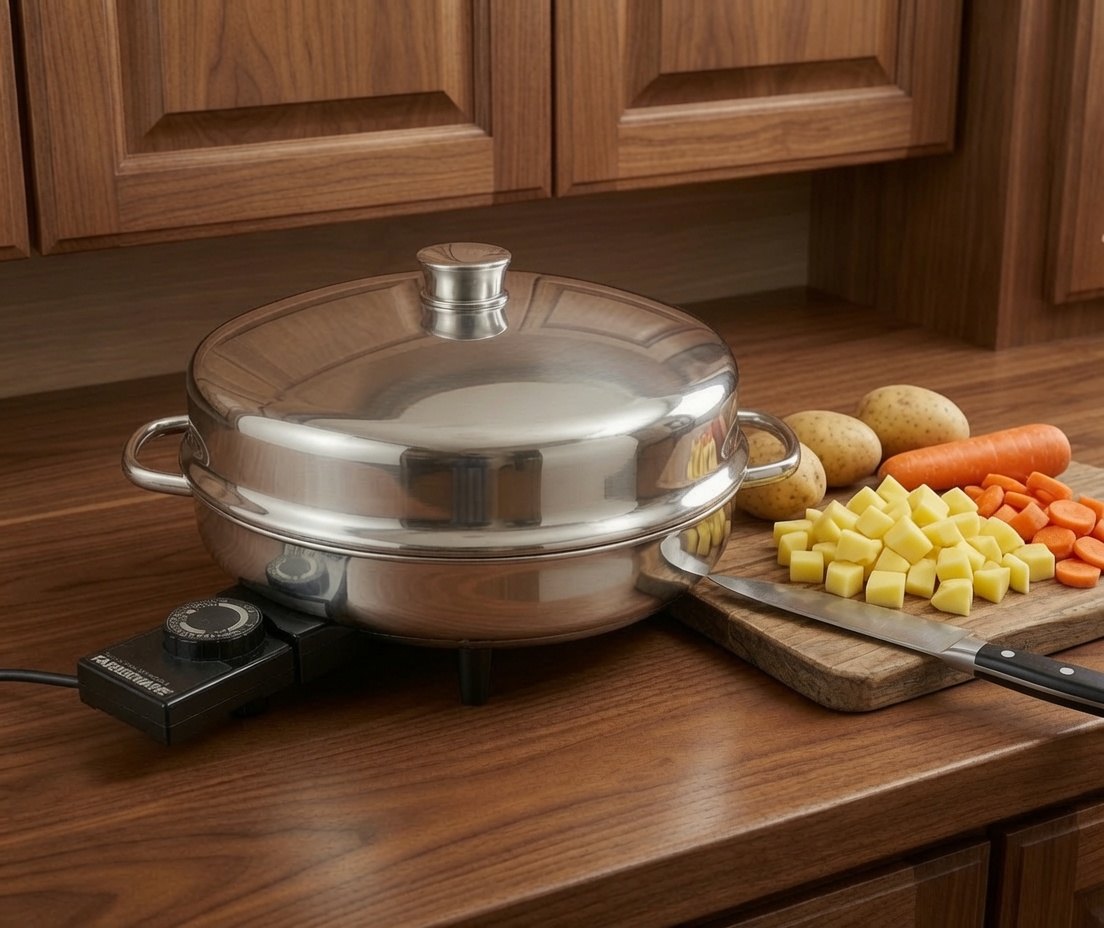
Electric Skillet
$10–20 used, $40–90 new. 1,500 watts — a load any generator can spare. Holds an exact temperature for frying, and lets you cook indoors while the engine stays outside.
Read the guide →
Cast Iron Dutch Oven
One pot for soup, stew, bread and a braise, on the stove or in the oven — and on a propane camp stove in the driveway the week the power is off. It lasts exactly as long as the skillet does, which is longer than you are going to need it to.
Read the guide →
Forged Knife Set
Forged, not stamped. Wusthof or Victorinox. A dull knife has to be pushed, and pushing is how a hand with less strength in it than it used to have ends up somewhere it never intended to go. Sharp is the safe option. These hold an edge for decades with the occasional sharpening.
Read the guide →
Instant Pot
One machine instead of a slow cooker, a pressure cooker, a rice cooker and a steamer — and one machine's worth of cupboard instead of four. Mostly what it buys you is not standing at a stove, which stops being a small thing somewhere in your sixties. A good one runs 10–15 years.
Read the guide →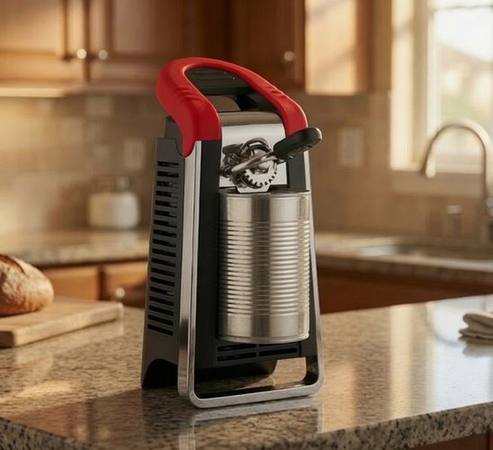
Electric Can Opener
A manual can opener is a fine tool for a hand that works. For a hand with arthritis in it, a can of soup at suppertime turns into a genuine problem, and it turns into one on exactly the evenings you least want a problem. A good electric one lasts 15–20 years.
Read the guide →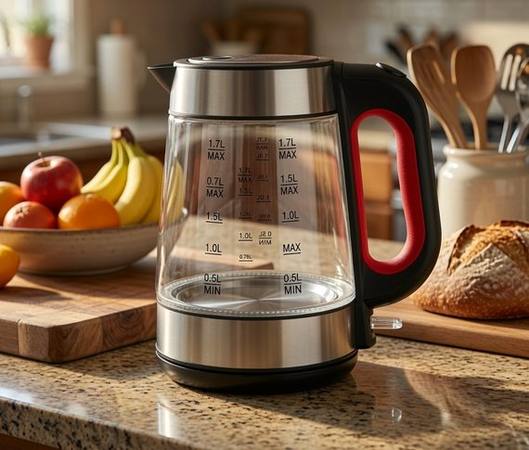
Electric Kettle
Faster than the stove, and there is no heavy pot to lift and tip from a height. The handle is built for a grip that has weakened. Of all the ways to move boiling water about a kitchen, this is the one that spills least.
Read the guide →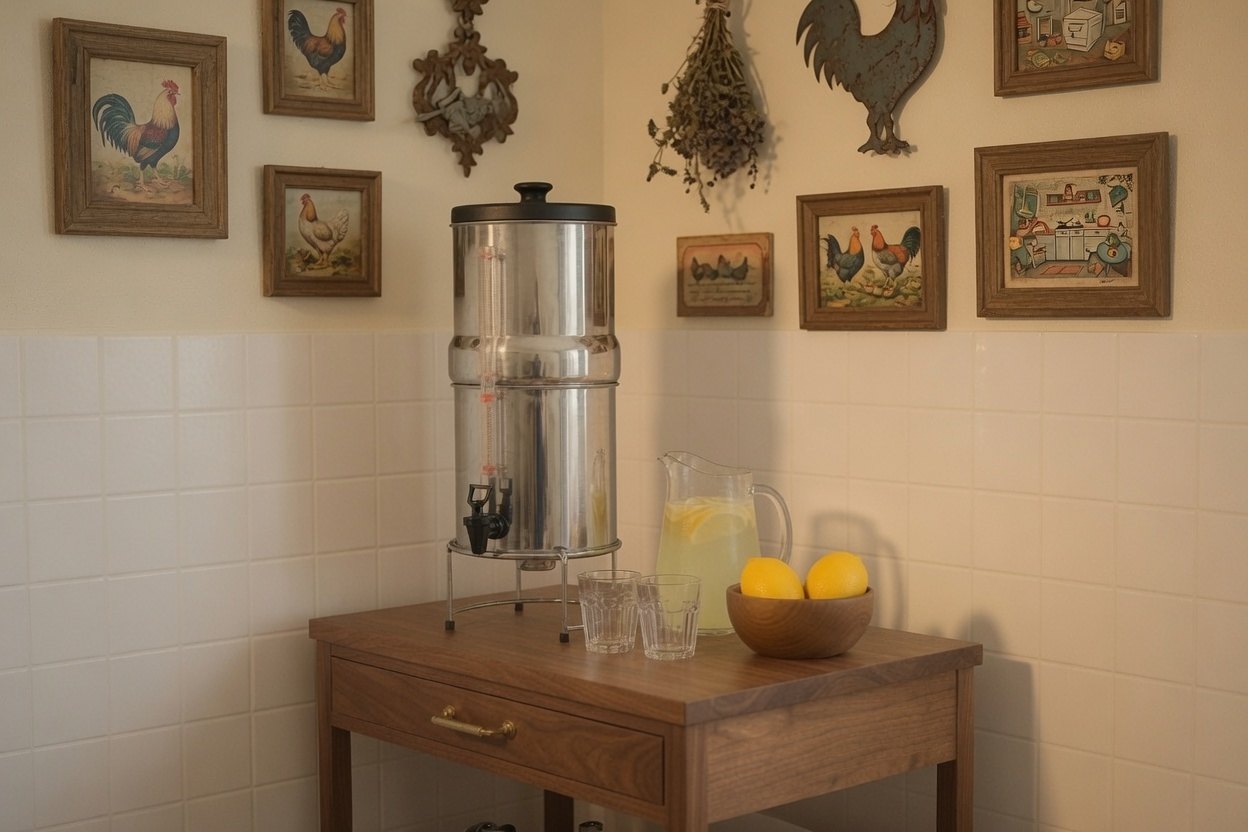
Gravity Water Filter
Countertop, no power, no plumbing. Better water on every ordinary day of the year, and a working filter on the one week the tap cannot be trusted. It also quietly ends several hundred dollars a year of buying water in plastic bottles.
Read the guide →Medical Preparation — Know Your Numbers Before You Need Them
The medical preparations that matter most are the ones you make before anything goes wrong. Ask the questions now while they're theoretical. The answers become a lot harder to get in the middle of an emergency.
Please read: The items below are general consumer devices and preparedness ideas, not medical advice. None of them diagnose, treat, cure, or prevent any condition, and the product links are affiliate links (we may earn a commission at no extra cost to you). Decisions about your health — including which devices, medications, or supplies are right for you — should be made with your doctor or pharmacist. If you think you're having a medical emergency, call 911.
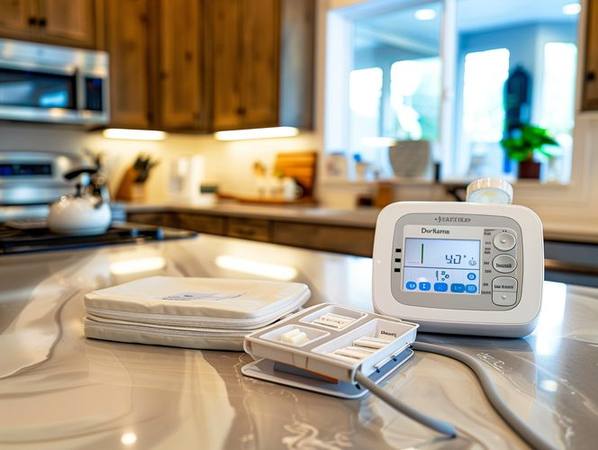
Upper-Arm Blood Pressure Monitor
Upper arm, not wrist — the wrist ones are generally less accurate, and a number you cannot trust is worse than no number at all. Knowing your usual readings before a stressful event gives you a baseline to talk over with your doctor. A home monitor is for general awareness, not for diagnosing or managing blood pressure on your own — that's a conversation for your physician.
Read the guide →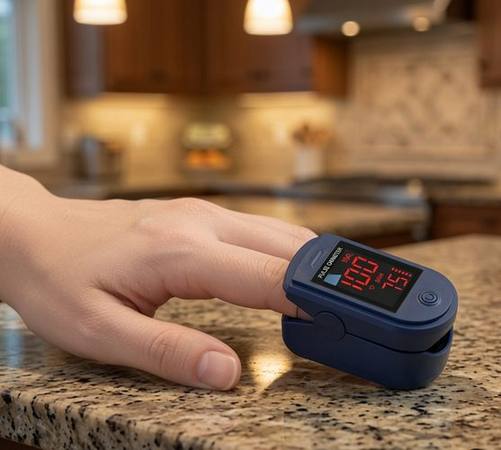
Pulse Oximeter
Clips on your finger, reads blood oxygen in seconds. Low oxygen saturation can feel like ordinary fatigue or confusion, so having a rough number to share can help you decide when to call your doctor. It is not a diagnosis — if you feel short of breath or unwell, call 911.
Read the guide →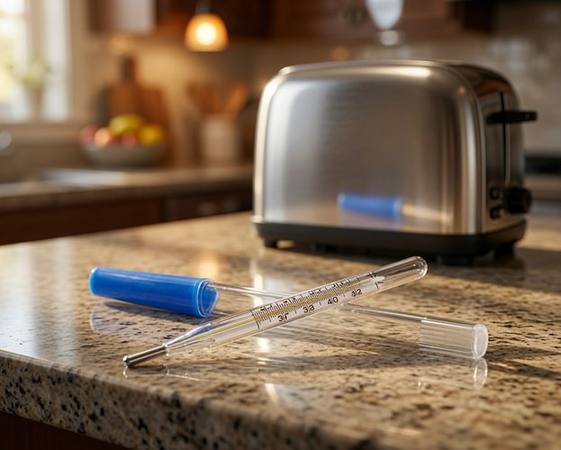
Glass Clinical Thermometer
No batteries. No software update. No screen to crack. It will read exactly the same at ninety as it does this afternoon. Heat emergencies in older adults get missed for a very ordinary reason: nobody in the house knows what the number actually is. Learn your normal now, while nothing is wrong.
Read the guide →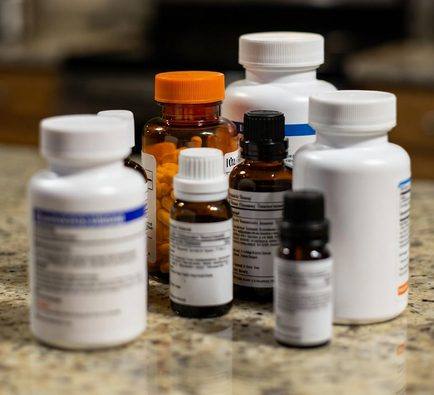
90-Day Medication Supply
Ask your doctor and your pharmacy whether this is available to you. Three months of medication already in the cupboard means a storm, an outage or a hiccup in the supply chain stays an inconvenience instead of turning into a medical emergency.
Read the guide →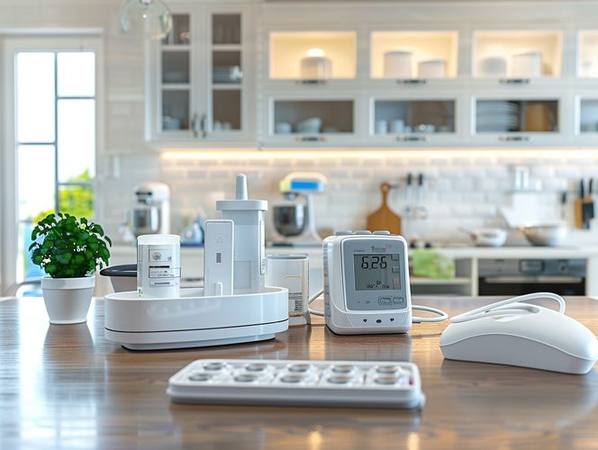
Refrigerated Medication Plan
Ask your doctor which of your current medications require refrigeration and what the protocol is if refrigeration is lost. Get that answer now, as a theoretical question. Not at hour 36 of an outage.
Read the guide →
Medical Information Card
Laminated, in the wallet, behind the driver's license. Medications, doses, allergies, your doctor's name and number, who to call. The person who needs this card is never you — it is whoever is standing over you, and they need it inside the first two minutes. Ten minutes to make.
Read the guide →
The Folder Your Family Will Need
Not the dramatic version — the ordinary one. You are in hospital unexpectedly and somebody is standing in your kitchen while a nurse asks a question they cannot answer. What goes in the folder, why the safe deposit box is the worst place for it, and the settings that outrank a will.
Read the guide →Power Preparation — The One That Changes Everything
One hour without power on a hot August afternoon can put a 70-year-old in genuine medical danger. The body's ability to regulate temperature declines significantly with age. This is not a hurricane problem. It is an everyday grid reliability problem — and the grid is getting less reliable every year.
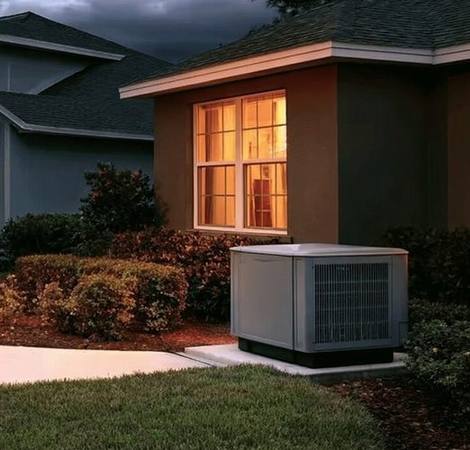
⚡ Power & Generators — Full Guide
Whole-home standby, portable inverter, solar, battery banks. What size you actually need. Why city water changes the math. How to finance it on a fixed income.

🔌 Generator Size Calculator
Check every appliance you need to power. Get your exact wattage, the right generator size, and how much propane to store for 3, 5, 7, 14, or 30 days.
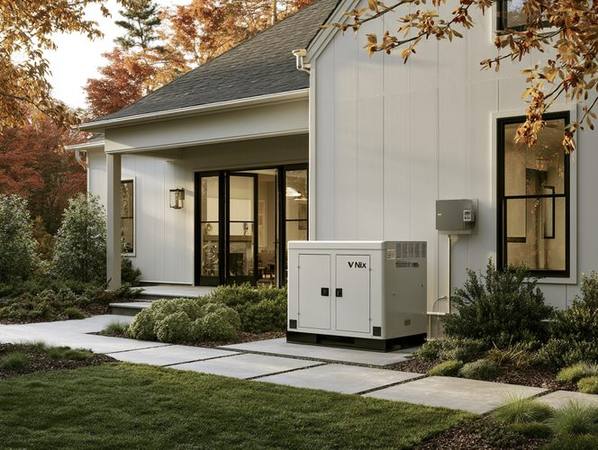
💡 AC Soft Starters & Data Plates
Before you buy any generator, read the plate on your air conditioner. The LRA number — and a $300 soft starter — can cut the size of the generator you need nearly in half. $300 can save you $8,000.

📖 Barbara's Story
A retired librarian in Pensacola spent three years quietly getting ready. When Hurricane Ditton knocked out her street for nine days, she was the only one prepared. Here's exactly what she did.
📚 More Preparedness Stories
Composite stories drawn from real outage events across America. Real situations, real decisions, real costs.
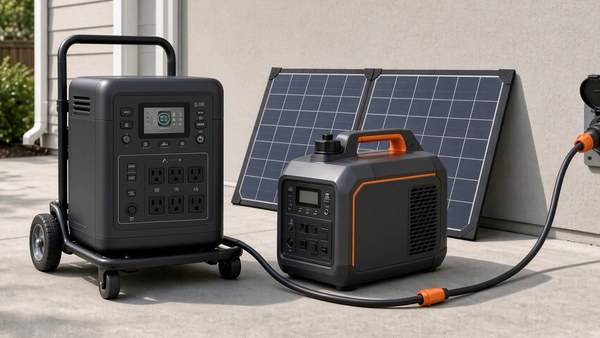
Nothing Gets Bolted to Your House
A battery runs the house; a small generator only refills it. Days or weeks of power for a fraction of a standby generator — and it all goes in the car if you move.
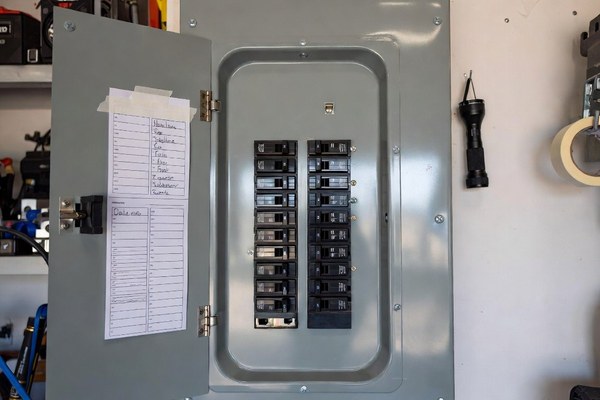
The Breaker Panel Is Your Friend
One hour with a helper and a marker and you will never guess at a breaker again. Mapping it, load shedding, and what a smart panel actually does.
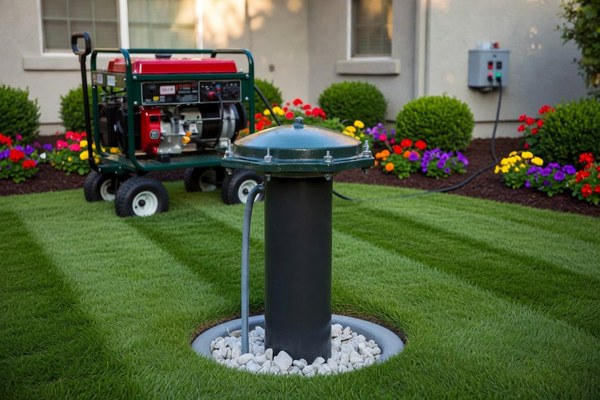
Well Pumps and Sump Pumps
No power means no water if you are on a well, and a flooded basement if you are on a sump. The two loads that pick their own moment.
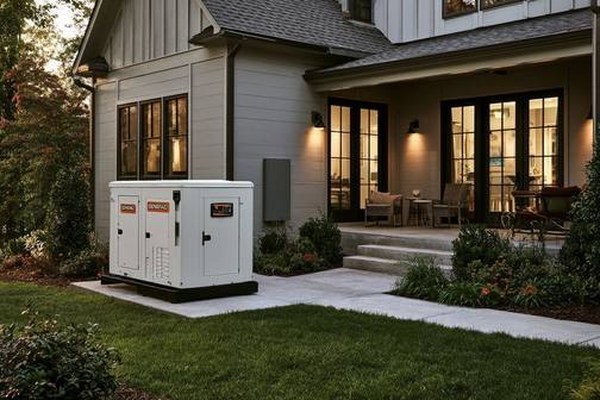
The Loads You Skip
The cheapest way to buy a smaller generator is to decide in advance what you are not going to run on it.
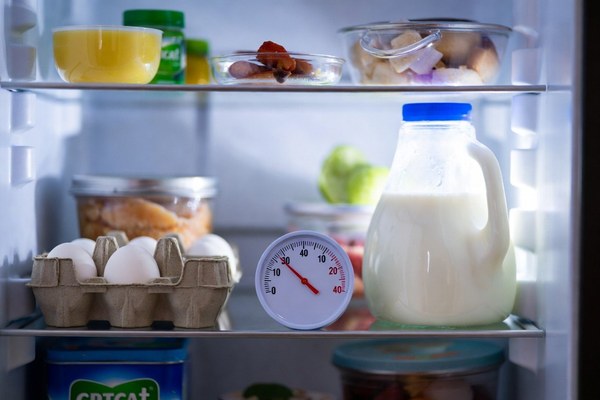
The Cold You Already Own
A full freezer is a battery you have been charging for years. How long the cold lasts, and what makes it last longer.
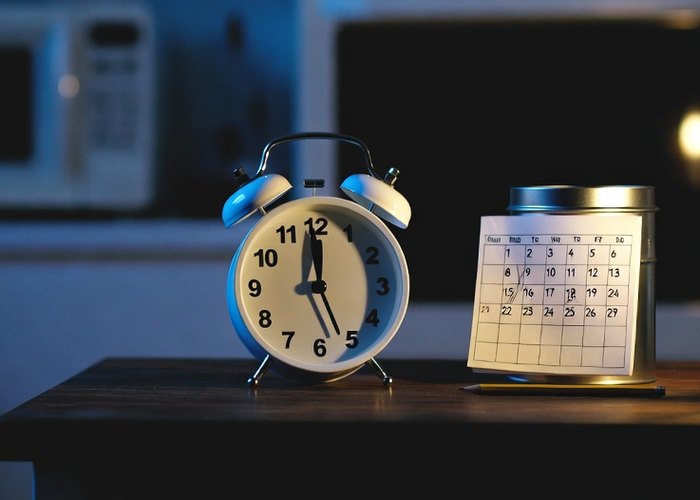
Nobody Packs a Clock
Four hours for the refrigerator. Forty-eight for the freezer. Every eight hours for a prescription. Every rule you are handed is measured in hours, and every clock in the house runs on the wire that just went down.
The Fifteen Ways the Grid Actually Fails
Weather is the one everybody prepares for, and it is one of fifteen. Each of the others is documented, each has put older people in medical danger, and not one of them arrives with a forecast.

The Substation With No Twin
One substation serves your neighborhood and nothing you can buy will harden it. What happens when it goes, and how long it takes to replace.
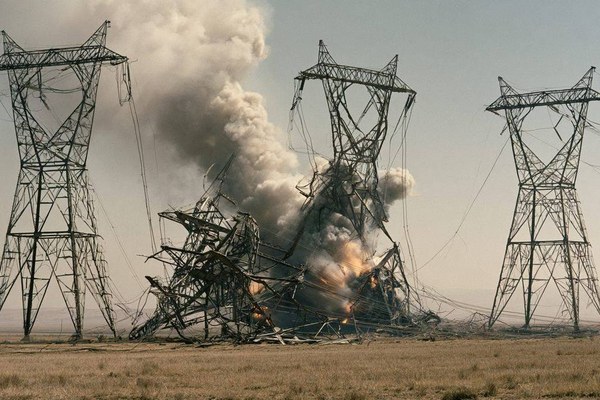
Rifles and Chain-Link Fences
Two rifles took out four substations and forty-five thousand homes in North Carolina. The physical security on most of them is a fence and a padlock.

When the Control Room Fails
From one room a utility opens and closes breakers across a whole state. That is the efficiency of the modern grid and the whole of its exposure.

Weather From Ninety Million Miles
A coronal mass ejection leaves the sun three days out and still arrives with minutes of usable warning. What it does to transformers when it gets here.

The Slow Disaster
Maintenance comes out of revenue and lowers profit; new capital earns a return. That single fact explains more outages than any storm.

Water, Dams and Drought
Hydroelectric power depends on rivers behaving, and rivers have stopped behaving. What a dry year does to a regional grid.

When a Reactor Goes Offline
A nuclear plant is baseload — the steady floor under everything else. What it means for your street when that floor drops out unexpectedly.
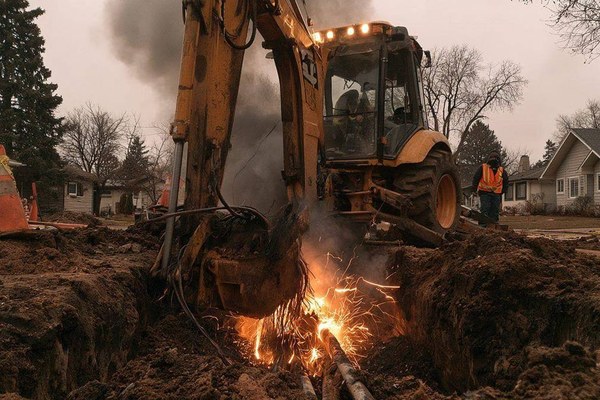
A Backhoe and a Bad Afternoon
A squirrel, a driver on ice, a contractor who did not call before digging. The ordinary accidents that take a neighborhood dark without any weather at all.

When Days Become Weeks
Most people plan for the utility’s estimate rather than their region’s historical worst. That gap is where the trouble actually lives.
What You Need Depends on Where You Live
What you need in North Dakota in January is not what you need in Florida in August. Your preparation has to match your region's actual threats — not a generic national checklist.

Florida & Gulf Coast
Nothing was open and nothing was coming. That is the part of a Gulf storm that never makes the forecast, and around Homestead it lasted two years. A first-hand account of Hurricane Andrew: what saved houses, what ran out first, and why almost none of it could be bought once the storm had gone.
Read the guide →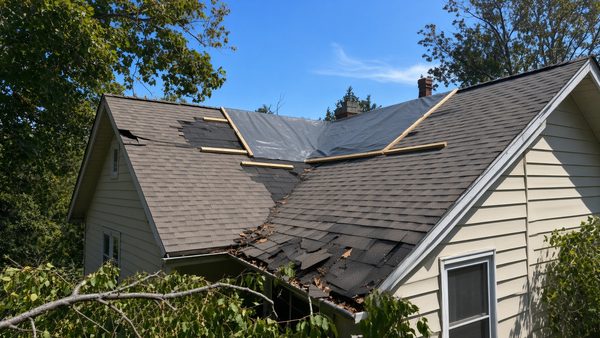
The Tarp, and the Free Federal One
Every figure you find on how long a tarp lasts comes from somebody selling one, and they disagree by a factor of a hundred. The billboard-vinyl people admit in their own small print that the stuff is not waterproof. And there is a free federal programme that tarped eight thousand Florida roofs and shut its doors in three weeks.
Read the guide →
Hiring a Contractor Without Being Robbed
Federal law gives you three days to cancel a contract signed in your own home, and the waiver on his clipboard cannot take them away. Plus the lien that lets an unpaid supplier you never met come after your house, and the bank arrangement that pays him only for work you have approved.
Read the guide →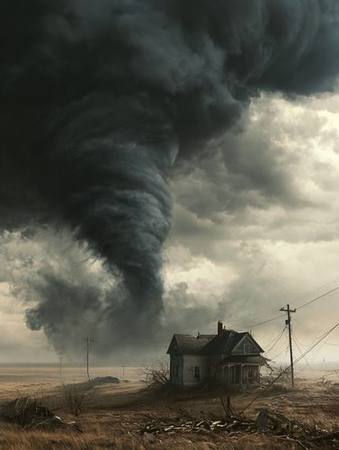
Midwest & Plains
A derecho forms and arrives the same day — Category 4 wind with no forecast window — and ice storms take the system down under its own weight. Both leave a week of restoration behind them, so nothing here can be bought after the warning.
Read the guide →
Texas & Southwest
In February 2021 the Texas grid went down and took the water with it — close to 40% of the state's community water systems ended up under a boil notice. Which is an awkward instruction to follow in a cold house with no power to boil anything on. What has to be in the house already.
Read the guide →
Pacific Northwest
Those houses were built to hold heat, and in June 2021 they did exactly that. Seventy-two people died in Multnomah County alone. Seventy-eight per cent of them were sixty or over, most of them were living alone, and almost none of them had air conditioning.
Read the guide →
Northeast & New England
The tank was full and the house was freezing, and both of those were true at the same time. Nearly every modern oil and gas furnace needs electricity to run, so a full tank heats nothing at all in an outage. What the October 2011 nor'easter taught the Northeast, and what has to be in the house before the next one.
Read the guide →
Mountain West
This is the one outage that warns you first. A Public Safety Power Shutoff is planned, announced, and switched off on purpose — and if you are on a well, the water goes off with it. The whole page is about what to do with the day and a half of notice you are handed.
Read the guide →Stories — What It Was Actually Like
Composite accounts drawn from documented events. Not one of them is about equipment; every one of them is about the morning after.
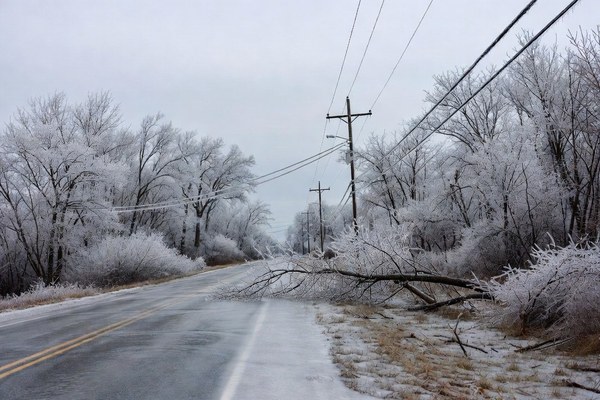
Kentucky — Eleven Days of Ice
The lines came down under the weight of it and stayed down for eleven days. What a house that had thought about it looked like against one that had not.

Napa — The Phone That Still Worked
The power was cut on purpose, for days, to keep the lines from starting a fire. One old corded telephone was the only thing in the house that did not care.
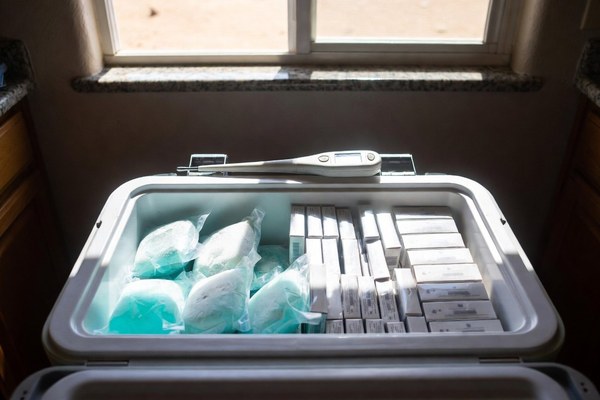
Phoenix — Insulin in a Heat Wave
A refrigerator that has stopped is not storage; it is a countdown. What it takes to keep a medication cold through a week of a hundred and fifteen degrees.

Puerto Rico — Oxygen After the Storm
An oxygen concentrator draws room air and stops the instant the power does. This is what months without a grid asked of the people who depended on one.
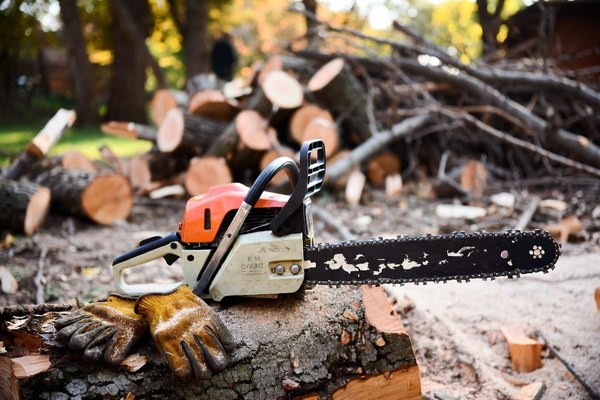
Tennessee — The Man Nobody Knew
A tornado on a Wednesday afternoon, and eleven days in which the quietest house on the road turned out to be the one with the generator.

Ruth — The Seeds She Kept
Sixty years of tomatoes out of envelopes with a person’s name written on the front. Why an heirloom is a relationship before it is a variety.

Dorothy — The Windowsill Garden
She could not manage the beds any more, so the garden moved indoors to the sill above the sink. It fed her just the same.
Your Preparation Timeline
Each decade brings different resources — and different limitations. The work you do at 50 is the work your 70-year-old self cannot do.
- Finance the generator while you have income
- Install grab bars, night lights, comfort toilet
- Buy cast iron, quality tools, leather gloves
- Set up Starlink Standby Mode
- Get documents in order — medical, legal, financial
- Start a 30-day food and water rotation
- Build relationships with neighbors now
- Test everything you bought in your 50s — annually
- Reassess what you can still operate yourself
- Add medication backup and cold storage systems
- Establish a home equity line of credit now
- Teach family members your systems
- Connect with local emergency networks
- Low-physical-effort solutions only
- Community and family networks are your lifeline
- Pre-register with county special needs registry
- Know your evacuation triggers and routes cold
- Medical: CPAP backup, insulin cold storage plan
- Everything should be in place — this is why you prepared
Free Preparedness Calculators
Real numbers for your specific situation — not generic guesses.
🔌 Generator Size & Fuel Calculator
Check every appliance. Get your exact wattage, the right generator size, and propane needs for 3 to 30 days of outage.
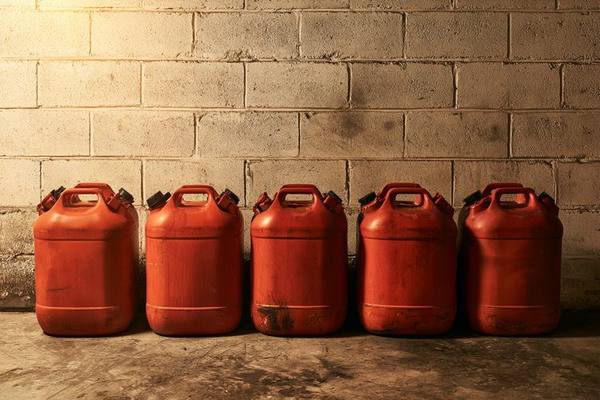
⛽ Propane Use Calculator
How long will your tank last? Cooking, heating, generator run time — all in one calculation.
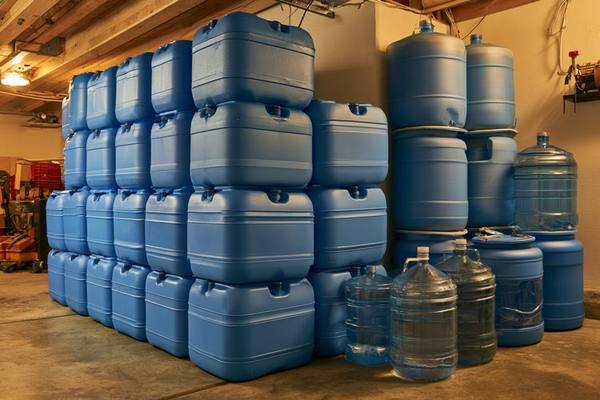
💧 Water Storage Calculator
Gallons per person per day. Drinking, cooking, hygiene, pets. How much you actually need for 30 days.

🌡️ Heat Risk Calculator
Is your home safe without AC? Factors in age, health conditions, insulation, and regional temperatures.
💊 Medication Cold Storage Calculator
Power is out and your fridge is warming up. How long does your insulin or refrigerated medication stay safe — and what do you do right now?

Fall Risk Home Audit
Twelve questions about the house you are standing in. Falls are the leading cause of injury death after sixty-five and most of them happen at home.
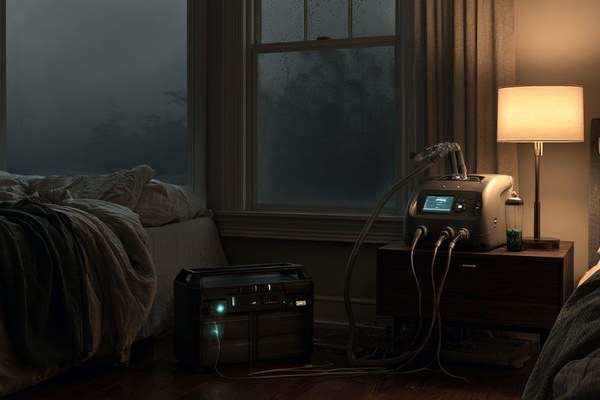
CPAP Battery Calculator
How many nights your machine will run from a given battery, and what size to buy for the number of nights you want.
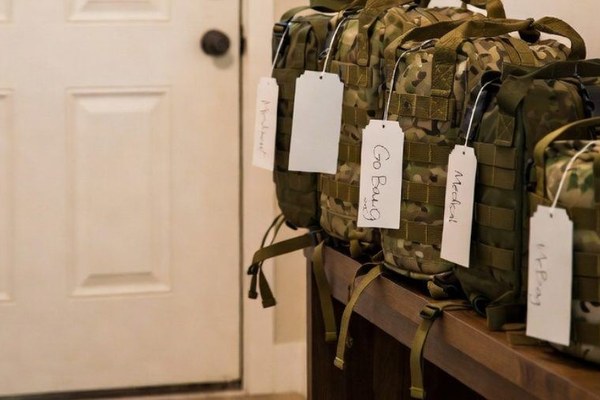
Go-Bag Checklist
Your list rather than a generic one — household size, pets, medications and the number of days you need to cover.
Extension Cord Gauge
What gauge you actually need for the length and the load. Getting this wrong warms a cord along its whole length for as long as the outage lasts.