Free Guides · 13 Coastal States
Find a Licensed Storm Roofer Near You
How to gather up to 3 competing written estimates from licensed, insured contractors in your area — and verify each one before you sign.
Browse Storm Guides
How to gather up to 3 competing written estimates from licensed, insured contractors in your area — and verify each one before you sign.
Browse Storm GuidesAfter a storm, the right roofer protects your home and your claim. The wrong one — an unlicensed storm chaser who arrived from three states away — can void your insurance, leave your roof worse than before, and disappear with your deposit. StormRoofQuotes is an independent resource covering 13 Gulf and Atlantic coastal states. We don't refer or match you with anyone — instead, this guide shows you how to find licensed local roofers yourself and what to verify before you sign anything.
Identify the damage, whether it is an emergency, and what documentation your insurance claim will require. Our guides walk you through it.
Use state license lookups and our checklists to find licensed, insured local roofers. Gather up to 3 competing written estimates for non-emergency work.
For active leaks, arrange emergency tarping quickly and get a written scope of damage from the roofer you hire — the documentation your insurance claim requires.
Free, independent guides covering all 13 Gulf and Atlantic coastal states.
We don't refer, vet, or vouch for any contractor — so independently verifying anyone you hire is essential. License verification takes two minutes and eliminates the most common post-storm fraud scenario entirely.

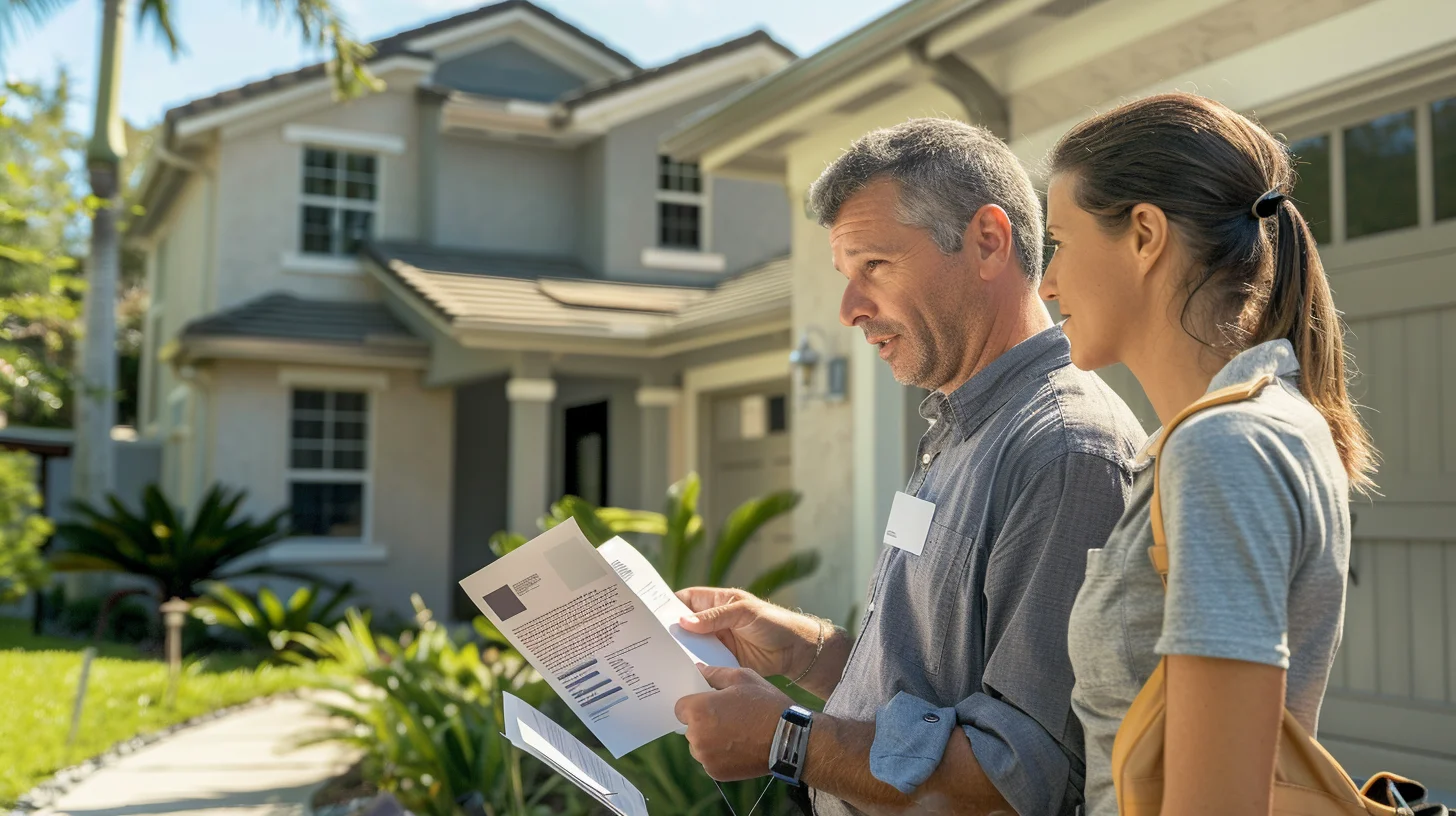
Independent guidance on getting up to 3 competing estimates from licensed local contractors.
StormRoofQuotes is an independent, ad-supported information resource. We publish storm-recovery guides and clearly-labeled roofing advertisements. We do not arrange inspections, take commissions, or refer you to any contractor.
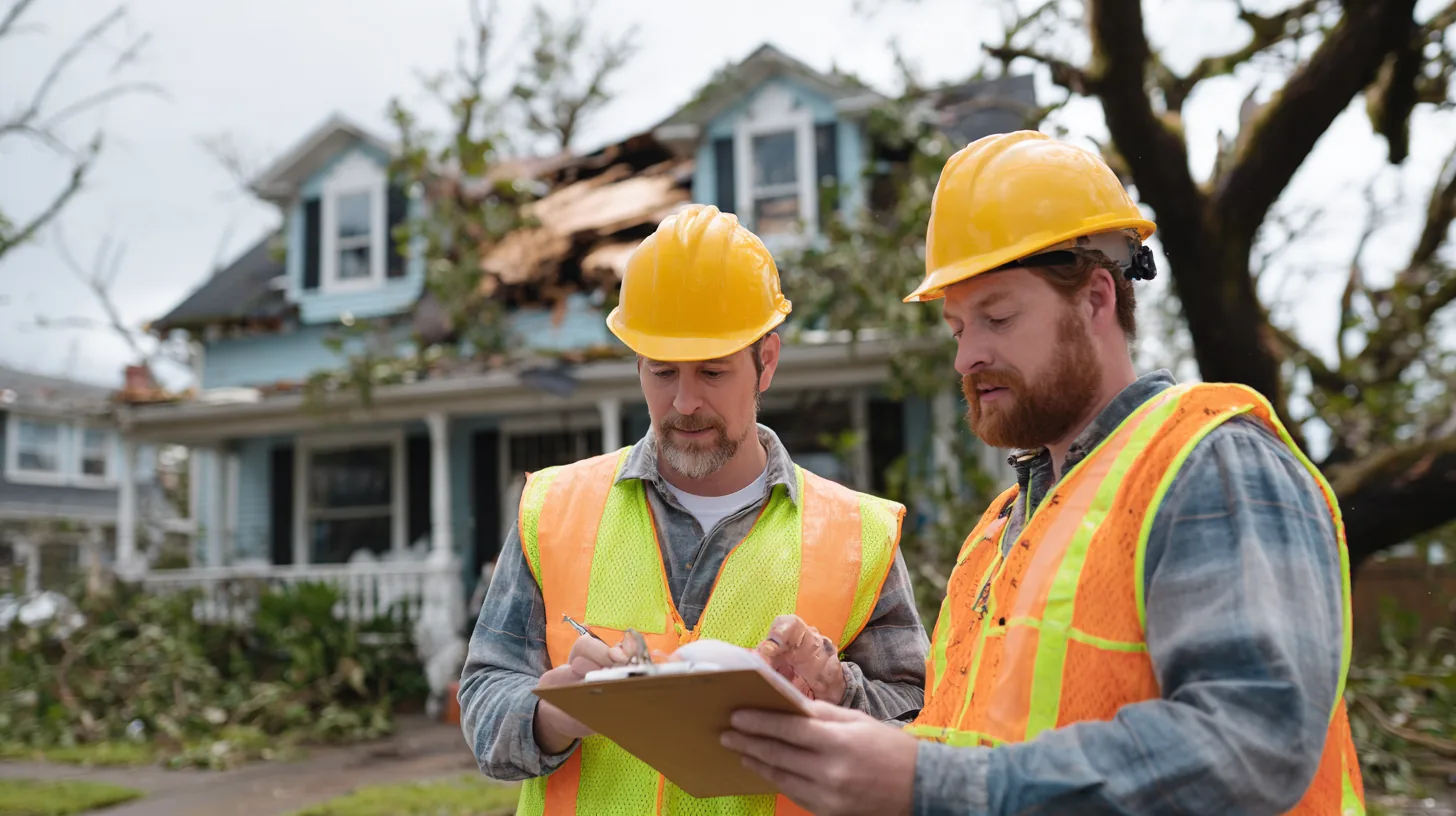
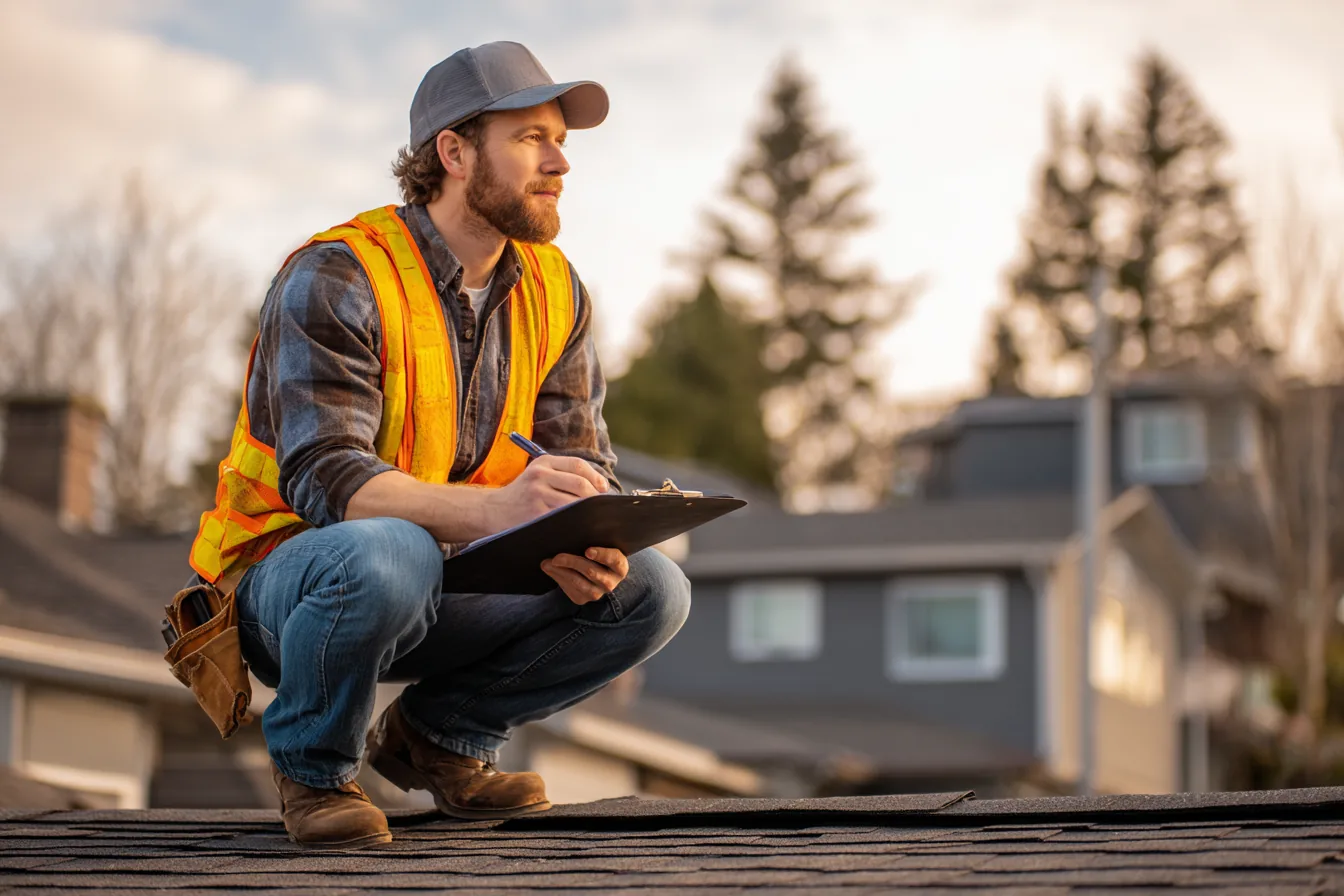
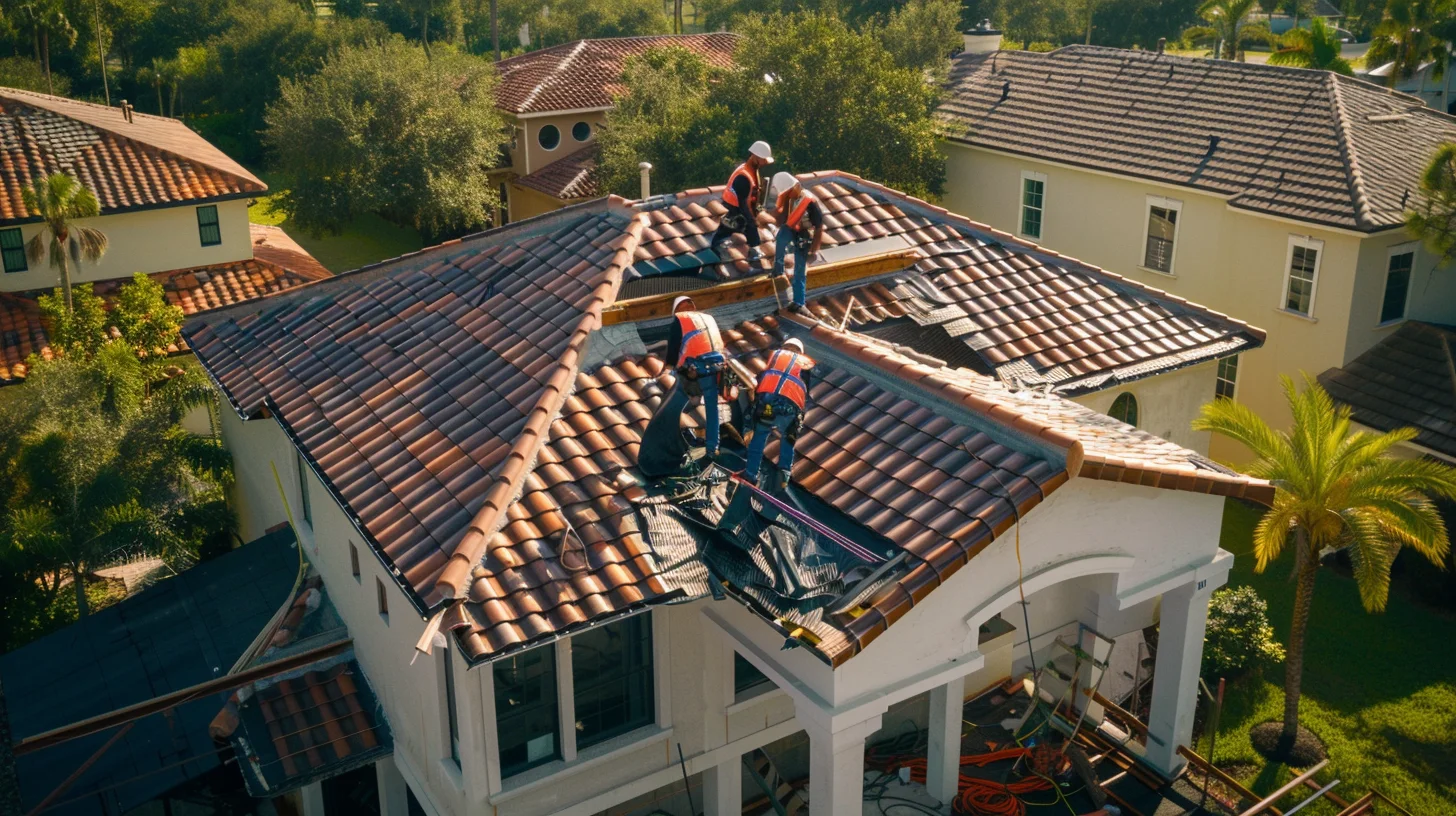
How this site works →A licensed contractor will inspect your roof — exterior and, where accessible, from the attic — document all damage with dated photos, measure affected areas, and identify any secondary damage to gutters, fascia, flashing, and skylights.
For emergency situations: they assess whether tarping is needed, what areas need immediate protection, and the safest way to secure the structure pending permanent repair.
A licensed roofer who specializes in new construction may not have deep experience with insurance-related storm work. Storm damage restoration is a specific skill set that involves: writing scopes in Xactimate format that align with insurance adjuster estimates, understanding what supplements are payable and how to document them, navigating lender escrow draw requirements, and managing the timeline pressures of a homeowner who needs repairs done before the next storm season.
When evaluating a contractor, ask directly: "Have you worked on insurance claim projects before? Are you familiar with the supplement process?" A contractor with storm restoration experience will answer confidently and specifically.
After a storm, contractors from neighboring states — and sometimes from states 1,000 miles away — descend on affected markets. Some are skilled and legitimate. Many are not. A contractor with an established local presence has a reputation to protect in the community, knows local building codes and permit requirements, has relationships with local inspectors, and will be around for warranty work.
Ask: "How long have you been operating in [county/city]?" and "Can you give me the names of three recent local customers I can call?" A contractor unwilling to provide references from local jobs is a contractor you should look at carefully.
We've built a comprehensive free checklist covering every verification step — license lookup for all 13 states, insurance requirements, contract requirements, deposit limits by state, price gouging reporting contacts, and 12 red flags. Print it and keep it in your storm kit.
⬇ Download Free PDF ChecklistAlso see the full contractor fraud guide → including price gouging laws for all 13 states.
StormRoofQuotes doesn't connect you with roofers or arrange inspections — you contact licensed local contractors yourself. For emergency tarping, reach out to a licensed local roofer as soon as it's safe; for non-emergency repairs, gather a few written estimates and compare them. After major regional storms, contractor demand spikes across multiple counties, so starting early helps.
No. Our guides are free to read, and we don't charge homeowners for anything. Many roofers offer a free initial inspection — that's an arrangement between you and the roofer you contact. StormRoofQuotes doesn't arrange inspections, take referral fees, or connect you with any contractor.
Yes — and this is one of the most valuable aspects of the inspection. A written scope of damage from a licensed contractor is the document your insurance adjuster will compare against their own estimate. If the contractor's scope is higher (which it often is), you use it to supplement the adjuster's estimate. This gives you documentation to support a supplement request if the adjuster's estimate comes in low.
That's fine. Use our contractor checklist to verify them — license, insurance, contract requirements. Getting a second estimate from another licensed local roofer also gives you a market comparison that can be useful if you need to supplement your insurance claim.
We cover all counties in all 13 Gulf and Atlantic coastal states. Some rural counties have fewer available contractors than major metro areas — in those cases you may need to contact more contractors to gather competing written estimates. Use our state license lookups and checklists to find licensed local roofers in your specific county.
StormRoofQuotes publishes independent roofing guidance for coastal homeowners across 13 Gulf and Atlantic states — covering every county.
Our guides walk you through finding, comparing, and verifying licensed local roofers in your area — step by step.
Browse Storm Guides →A roofer who installs new roofs on new construction is not the same as a roofer who specializes in storm damage restoration. Storm restoration requires specific skills: reading adjuster scopes, writing Xactimate estimates, navigating supplement claims, and understanding the difference between what your insurance covers and what a standard roofer will install.
When you gather your own estimates from licensed contractors, the goal isn't just to get the lowest number — it's to get estimates you can actually compare. Make sure every estimate specifies the same scope of work, the exact material product names and wind ratings, the warranty structure, and how they handle hidden damage discovered during tearoff. A $9,000 estimate using a 90mph-rated shingle is not comparable to a $14,000 estimate using a Class 4 impact, 130mph product — even though they look like the same job on paper.