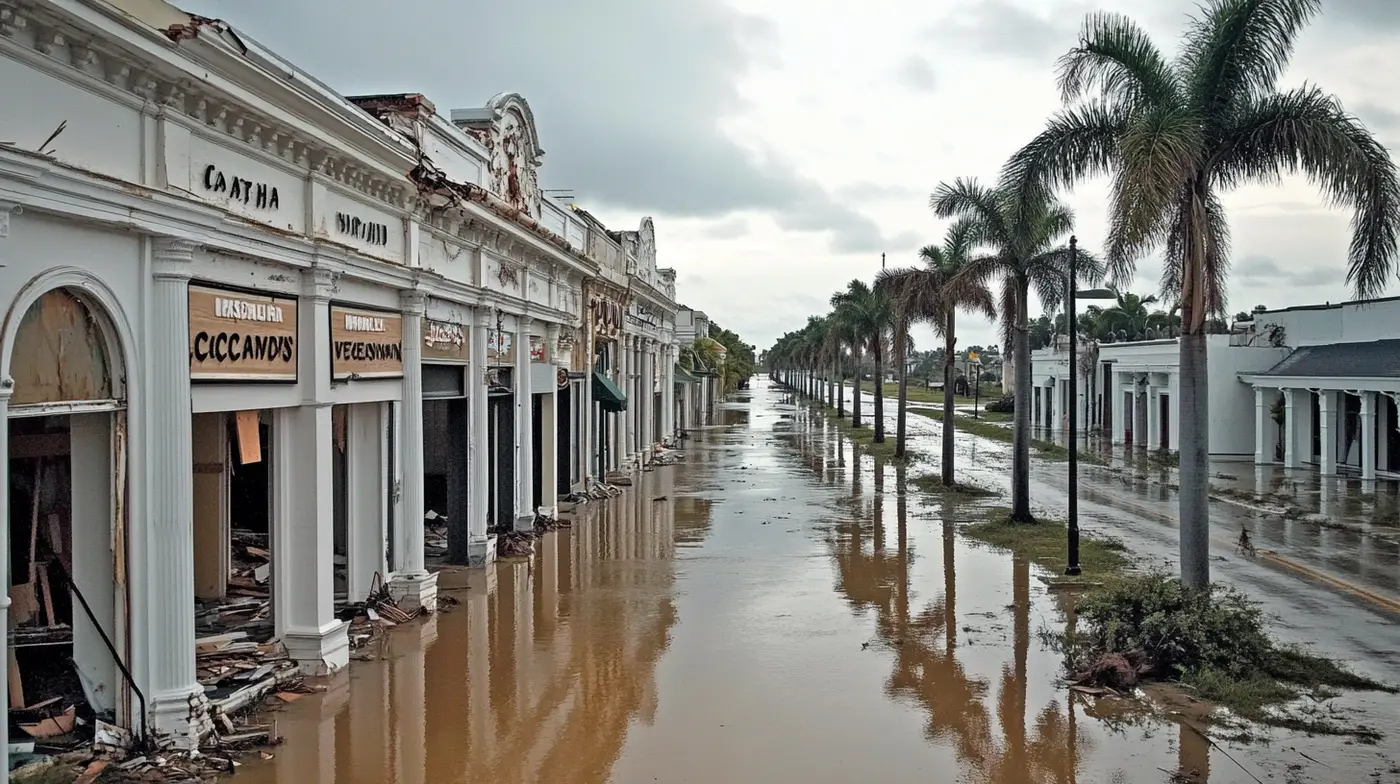
Why the first three days after a storm matter most
Insurance claims are won or lost on evidence. Storm evidence — displaced flashing, membrane tears, debris patterns, waterline marks — degrades or disappears within days. Emergency repairs made before the adjuster visits eliminate documentation of original damage. Cleanup removes debris that established storm causation. The 72-hour post-storm window is when you build the foundation of your claim.
Waiting until after a storm to find a contractor means surge pricing and delayed response. Waiting to document damage means missing evidence. Having a pre-established emergency response plan — built before storm season — converts crisis response into a systematic process.
Hours 0–24: Safety, documentation, and notification
Confirm building safety before entry
Before entering a storm-damaged commercial building, verify there are no gas leaks, structural compromises, or electrical hazards. If utilities are affected, contact utility companies before entering. Safety takes absolute priority over documentation speed.
Document everything before touching anything
Walk the entire property — exterior and interior — with a smartphone and capture dated, geotagged photos and video of every visible damage point. Don't clean up, move debris, or make repairs before this documentation is complete. Photograph: roof from all accessible points, all exterior walls, all interior water damage, debris patterns, waterline marks, and all damaged equipment.
Notify your insurer within 24 hours
Most commercial policies require prompt notification of a loss. Call your insurer's claims line and file the initial claim. You don't need a complete damage assessment to file — you file to start the clock and establish your notification date. Note your claim number and adjuster contact.
Call your pre-authorized commercial roofing contractor
Contact your pre-authorized contractor for emergency stabilization — tarping active leaks, securing displaced flashing, boarding openings. Communicate clearly: document damage thoroughly before making permanent repairs. Emergency stabilization is appropriate; permanent repairs should wait for the adjuster visit.
Hours 24–72: Contractor inspection and adjuster preparation
Schedule a professional commercial roof inspection
Get your commercial roofing contractor on the roof as soon as it's safe — ideally within 24–48 hours of the storm. The inspector's job is to document all damage with a written report and photos. This independent professional assessment is your counterpart to the insurer's adjuster assessment.
Request your adjuster's inspection date and be present
When your insurer's adjuster schedules their inspection, be there — with your contractor. Your contractor can point out damage the adjuster might miss (HVAC curb flashings, interior drain areas, perimeter edge metal). An unescorted adjuster inspection on a large commercial roof routinely misses 20–40% of claimable damage.
Inventory all damaged contents and equipment
If interior water damage affected equipment, inventory, or tenant property, document it separately from the structural damage. Create an itemized list with photos, original purchase dates, and replacement costs. Business personal property and business interruption claims require separate documentation from the structural property claim.
Notify tenants and begin lease obligation coordination
Notify tenants in writing of the damage assessment, estimated repair timeline, and their rights and obligations under the lease. If the building is partially or fully uninhabitable, review your lease's casualty and rent abatement provisions. Document all tenant communications.
✅ Keep the emergency contact binder updated
Your emergency response binder should include: insurance policy number and 24/7 claims hotline; commercial roofing contractor emergency contact; property manager and all key stakeholder contacts; utility emergency contacts; pre-storm photo documentation file location; and lease copies for all tenants. Distribute to all relevant parties before storm season — not after the storm.
Informational purposes only. The content on this page is general educational information about commercial roofing and property insurance — it is not legal advice, insurance advice, or a guarantee of any specific outcome. Insurance policies, lease terms, building codes, and contractor licensing requirements vary by state, carrier, and individual circumstances. Always consult a licensed insurance professional, attorney, or qualified contractor for advice specific to your situation. StormRoofQuotes is a roofing lead-generation service and is not a licensed insurer, attorney, or financial advisor.