Why commercial roof documentation is different from residential
Residential storm damage documentation is relatively straightforward — damaged shingles, dented gutters, and ceiling stains are directly connected. Commercial flat roof documentation requires understanding several phenomena that break those direct connections:
- The lateral travel effect — water entering a flat roof through a membrane breach doesn't fall straight down. It travels horizontally through the insulation layer, potentially 10–30 feet, before finding an interior entry point. The visible ceiling stain may be in a completely different area of the building from the actual roof breach.
- Delayed manifestation — commercial roof hail damage and small membrane tears may not produce visible interior water damage for weeks or months. By then, the connection to the storm event is harder to prove without pre-existing documentation.
- Invisible damage — hail bruising on TPO membranes, saturated insulation beneath an intact membrane surface, and separated flashing seams are invisible from ground level and often invisible even on a casual roof inspection.
📸 Pre-storm documentation is the most valuable evidence you can have
Dated photos taken before a storm establish baseline condition. An adjuster cannot argue "pre-existing damage" against a documented record showing your roof was in good condition 30 days before the storm. Store pre-storm documentation in the cloud and keep backup copies with your insurance contact and property manager.
What to photograph before hurricane season
Complete roof surface walkthrough
Walk the entire roof surface in a systematic grid pattern. Photograph: the full membrane surface from multiple angles, all seam lines, drain areas showing clear functioning drains, and any areas of prior repair. Enable geotagging on your phone so photos contain GPS coordinates tying them to your property.
All flashing locations
Photograph every HVAC curb flashing, pipe penetration boot, perimeter edge metal, parapet coping, skylight perimeter, and expansion joint cover. These are the most common storm entry points — establishing their pre-storm condition is critical evidence.
Interior ceiling condition
Photograph all interior ceilings, particularly around HVAC supply and return locations, near exterior walls, and in any area with prior water staining. If an adjuster sees a pre-existing stain that you haven't documented as pre-existing, they will use it to dispute post-storm damage.
All rooftop equipment
Photograph HVAC units, satellite dishes, vent caps, and any rooftop equipment. Dented or damaged equipment after a storm is claimable — but only if you can show it was undamaged before.
What to photograph after a storm
Roof surface damage
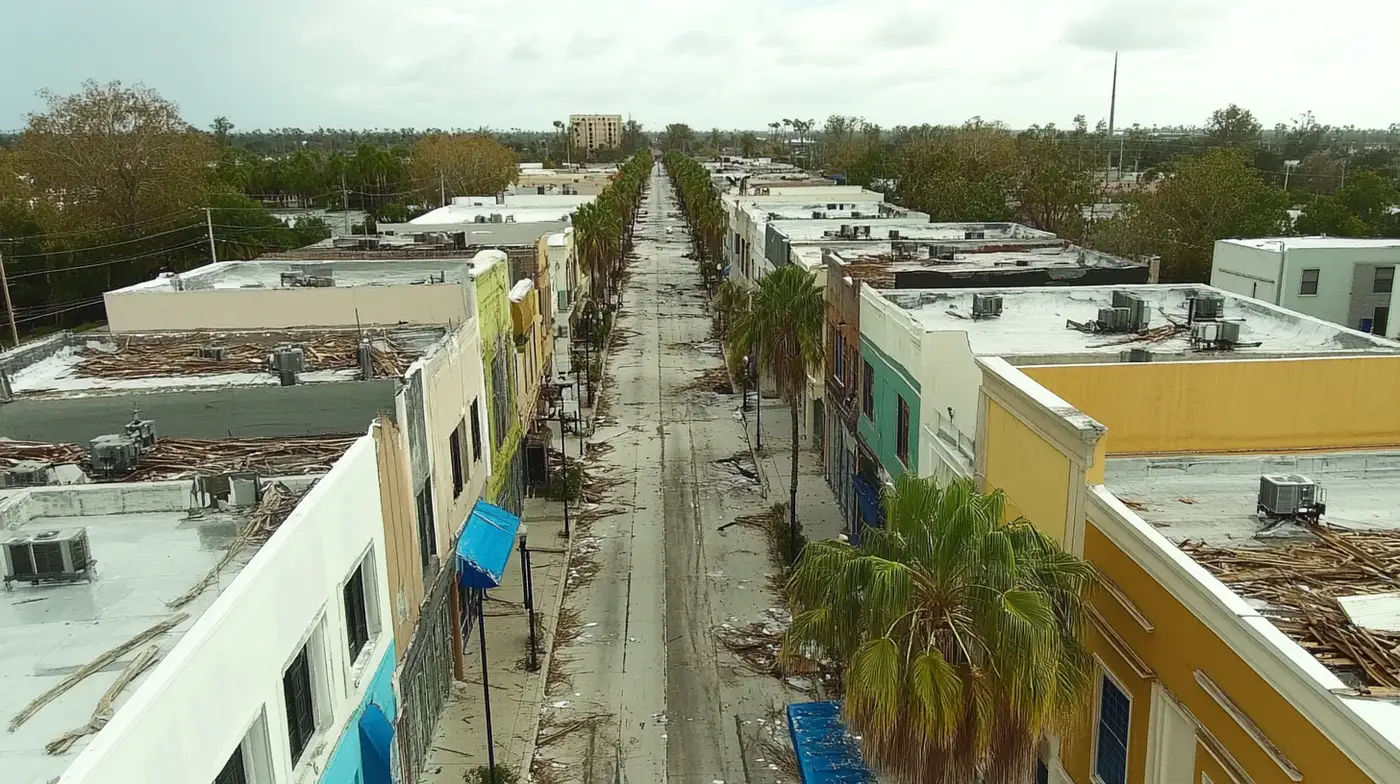
Document all visible membrane damage, displaced flashings, scattered roofing materials, debris patterns, and equipment damage. Note the date and time of each photo. Debris patterns establish wind direction and speed correlation with the storm event.
Interior water intrusion
Photograph all interior water damage immediately after the storm, before any cleanup or drying. Document: wet ceiling tiles, waterline marks on walls, wet flooring, damaged equipment, and any standing water. These photos establish the extent of interior damage at the time of the storm event.
Waterline marks and debris
After flooding or heavy water intrusion, waterline marks on walls establish the height of water penetration. Do not clean these before the adjuster visits. Debris patterns on the roof show where the wind came from and confirm storm causation.
All emergency repairs as they're made
Photograph all emergency tarping and temporary repairs before, during, and after installation. Keep all replaced materials — damaged sections of membrane, removed flashings — until your claim is settled. Disposed materials create disputes about the extent and nature of original damage.
Informational purposes only. The content on this page is general educational information about commercial roofing and property insurance — it is not legal advice, insurance advice, or a guarantee of any specific outcome. Insurance policies, lease terms, building codes, and contractor licensing requirements vary by state, carrier, and individual circumstances. Always consult a licensed insurance professional, attorney, or qualified contractor for advice specific to your situation. StormRoofQuotes is a roofing lead-generation service and is not a licensed insurer, attorney, or financial advisor.